
In stock in Italy, needed in your building: what that really means for your schedule

Buying Italian furniture for a U.S. project means holding two clocks at once. The first runs in the manufacturer's warehouse: order registered, released to the floor, picked, packed — stock items are frequently stored unpacked — which normally takes seven to ten days before anything moves. The second runs across the Atlantic, and it answers to the shipping method and the destination, not to the shelf. Anyone who quotes you a single number has quietly ignored one of the two.

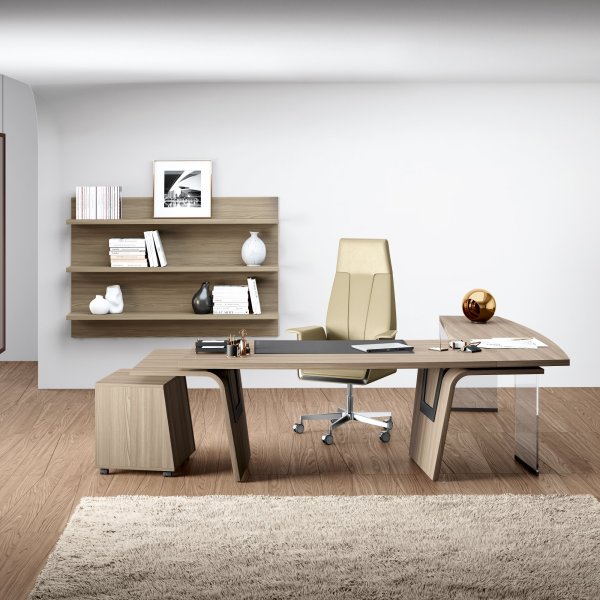
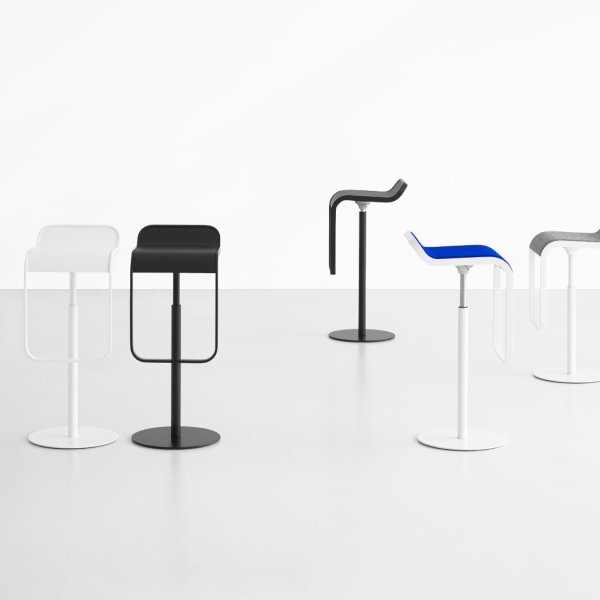
This page gathers the part of the catalogue manufacturers keep on hand: as a rule the best-selling models, in the sizes and finishes most projects request. That inventory exists because deadlines in a fit-out don't negotiate — and because a maker would rather tie up capital than watch a project go elsewhere. What we add is the part that usually goes unsaid: both clocks, in writing, at order confirmation.

Made in Italy office furniture, selected from ranges we know piece by piece, with availability checked before you commit — and the transit leg planned, not assumed.
Products
Brands
Designer

FAQ

Does «in stock» mean it ships the same day?
No. It means the piece exists and does not have to be built. The order still has to be registered with the manufacturer, released to the warehouse, picked and packed — normally seven to ten days before dispatch, and then the transit leg begins.
What if the finish I want isn't the one held in stock?
Then it becomes a made-to-order item with its own production schedule. When the date rules, the practical answer is to choose within the finishes that are available and reserve custom specification for the areas that can wait.
Which documents travel with an international order?
The paperwork required depends on destination and shipping method, and it is settled at order confirmation rather than after arrival. You get the list up front, not once the freight is already moving.
Can one project combine stock items and custom pieces?
Yes, and on most fit-outs it is the smart structure: take the repeating items from stock so the floor can open, and let the signature pieces be built. Two deliveries are planned, with priority agreed in advance.
Is the stock yours or the manufacturer's?
It sits with the manufacturers, which is precisely why availability is verified with them in real time rather than quoted from a page. What we bring is knowing which ranges are worth holding a project for.

How to structure an order that mixes stock and custom

One project, two clocks: five steps so the urgent half doesn't wait behind the slow half.

Split the schedule into two blocks
List available items and made-to-order items separately. That split is what lets the first block ship without waiting for the second.

Rank the rooms, not the items
State which spaces must be operational first. Priority is decided at the desk, not in front of a truck.
Authorize partial shipment in writing
Say explicitly that two deliveries are acceptable; without that line the order travels as one consignment and the ready half sits idle.
Ask for two confirmed dates
Have the dispatch date for the stock block and the production block confirmed separately — they are two different commitments.
Name who receives the second delivery
Assign a signer for the later shipment. Weeks apart, the person who received the first one has often moved on to another site.