
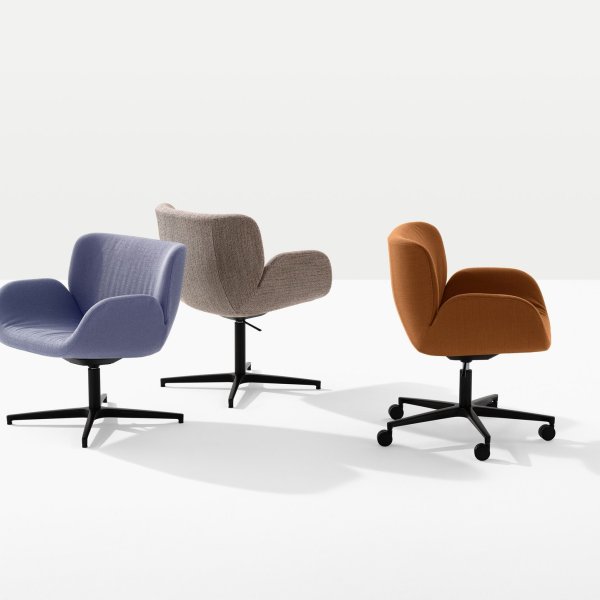
Cari
$ 3,690
A conference chair has an easier job than a task chair and a harder one than it looks. It doesn’t move much; it holds a person more or less still through a meeting that was scheduled for an hour and is now in its second. That’s the real test of conference room chairs — static comfort under duration, the support that keeps a room engaged when the meeting runs long instead of shifting, checking phones and mentally leaving.
This page is the seating of the rooms where decisions get made: boardroom and meeting chairs in leather and mesh, with the seat depth and back support built for listening rather than typing — the executive chair and the task chair answer other hours —, and the visual discipline a client-facing room demands. A conference room reads as composed or chaotic largely through its chairs — a matched set around the conference table says the room was designed; a mix of whatever was available says the opposite, to exactly the clients you least want reading it that way.
La Mercanti specifies conference and boardroom seating coordinated with the table and the room, delivered and installed across the US. Samples and specifications on request.
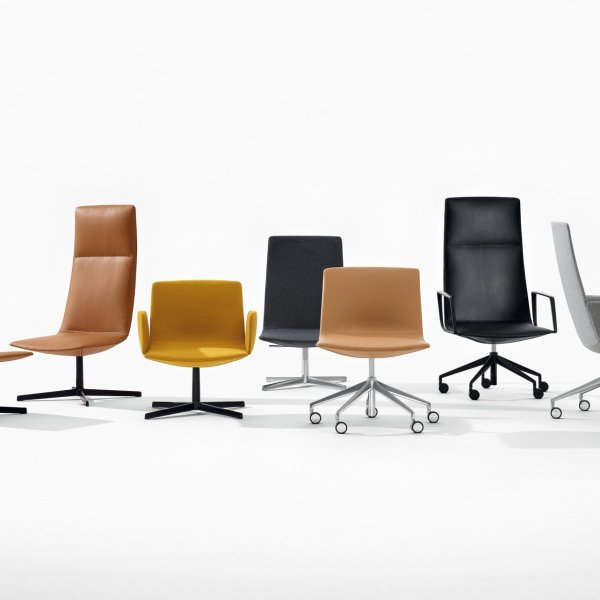
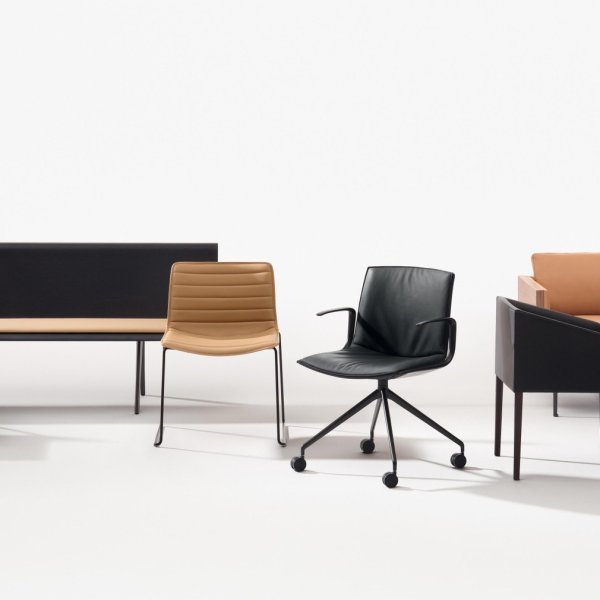
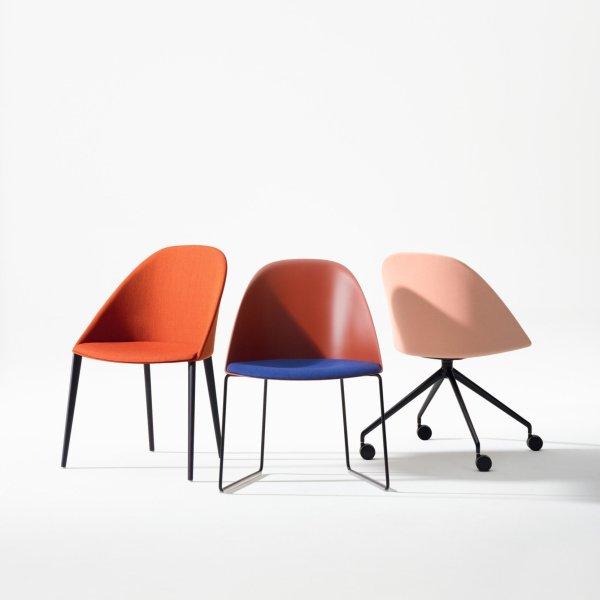
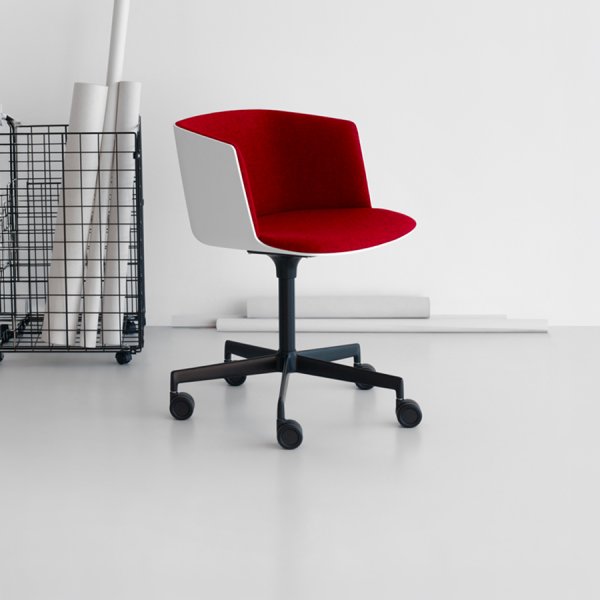
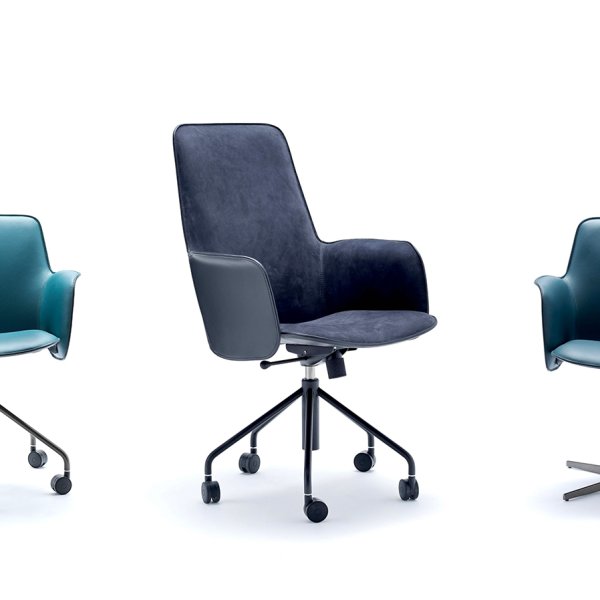
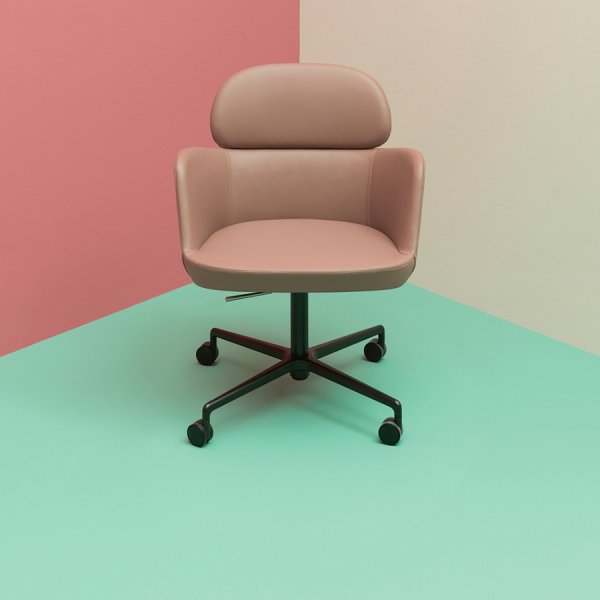
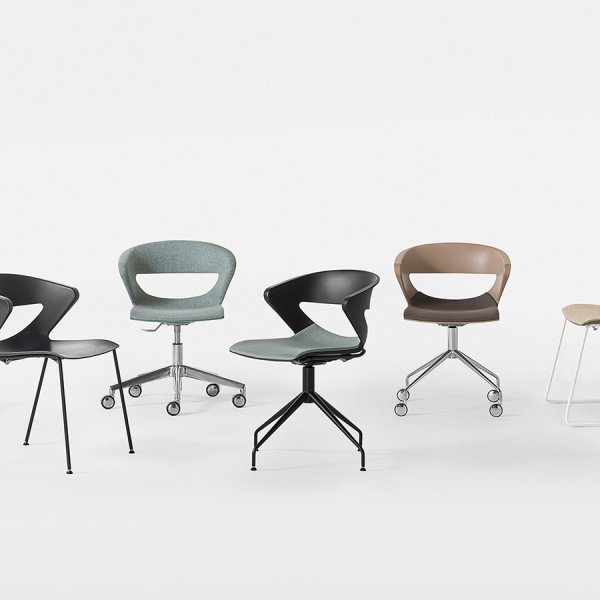
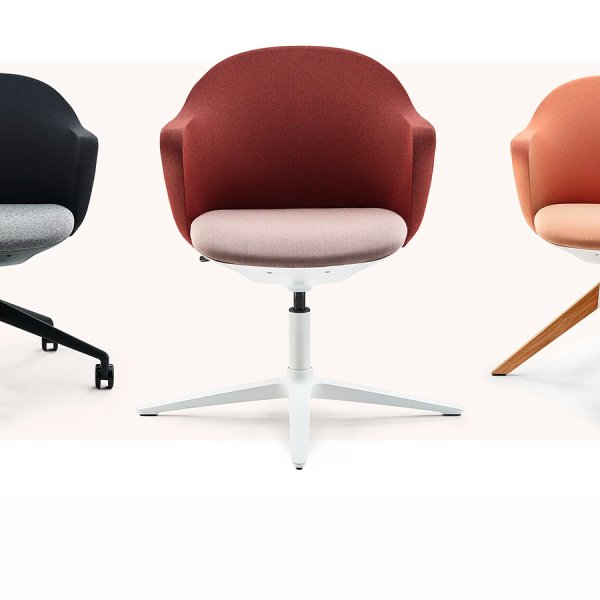

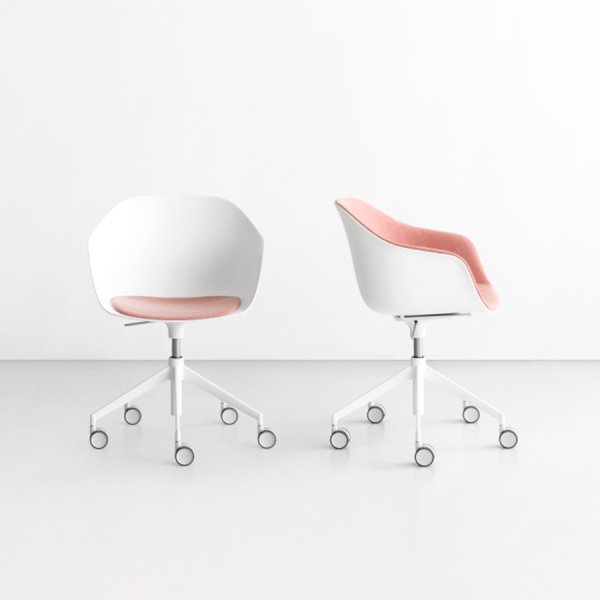
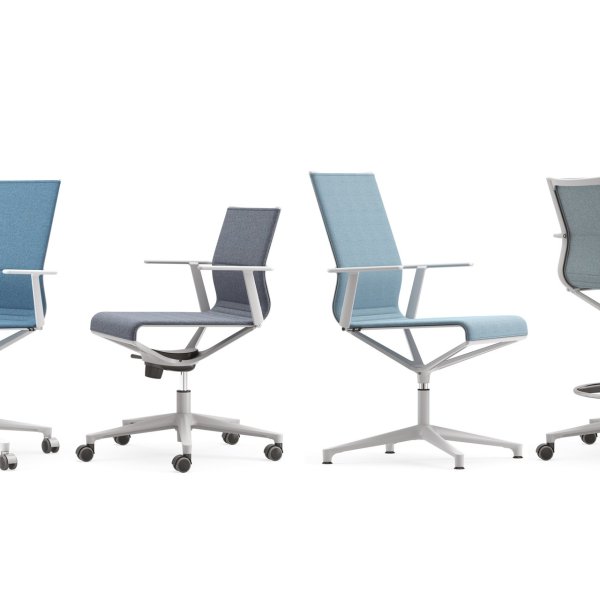
It splits the old conference posture in two, and the chair has to serve both halves. The American meeting room stopped being a listening room: people arrive with laptops, take notes through the call, and swing between typing at the table and settling back while the far end has the floor. That hybrid behavior asks for something between the classic boardroom chair and the task chair — a seat that holds an upright, forearms-forward working posture without tipping the sitter onto the front edge, and a back with a modest, damped recline for the listening stretches. Purely decorative conference seating fails the laptop half; a full task mechanism fails the composure half. The practical test costs one meeting. Put the candidate chair in a working room for a real forty-five-minute call, laptop open, and watch two things: whether the sitter can hold the typing posture without effort, and whether the recline is controlled enough that leaning back to listen doesn’t become a slow drift out of the conversation. A chair that passes both fits how American teams meet now. A chair that only passes the showroom sit was specified for a meeting culture that no longer exists.
Give the perimeter its own chair, specified with almost the care of the table set. The American boardroom increasingly runs two tiers of attendance: principals at the table, and a working ring along the wall — counsel, bankers, the CFO’s analyst, the team presenting one agenda item. Seating that ring on whatever folding stock the facilities closet held sends a message everyone in the room reads, and it’s the wrong one, because the second row often holds the people doing the deal’s actual work. The right perimeter chair is armless or slim-armed so the row fits the wall without crowding, comfortable enough for a full session, and light enough to reposition mid-meeting without ceremony. Visual order matters as much as comfort: wall chairs that duplicate the table chairs read as overflow from the same set, so specify a deliberately lighter companion, matched to the room’s palette but visibly secondary in scale. Plan the count from real attendance rather than from the wall’s length, and store the extras nearby, not in the room. A boardroom that seats its second row well tells every advisor in it how the organization treats the people it works with.
The floor is the biggest factor, but the room’s use matters too. On carpet, casters let people roll in and out and adjust position during a meeting without scraping, and the right wheel type keeps that smooth; glides on carpet make a heavy conference chair a chore to move and can drag the pile. On a hard floor — wood, stone, polished concrete, common in higher-end US boardrooms — the calculation flips: casters can feel skittish and mark or wear the surface, while quality glides keep the chairs stable, quiet and aligned. Alignment is the underrated part. A boardroom where the chairs sit neatly around the table reads as controlled; one where casters let every chair wander looks messy the moment people leave, and a client walking past a glass-walled conference room reads that instantly. Match the base to the floor first, then decide how much movement the meetings actually need. If the meetings are active and the floor is carpet, let the room roll; just accept that someone straightens the chairs at day’s end, because the hallway never stops watching.
For any room that changes shape during the week, mobility and storage belong in the spec from the start, and the three options suit different rooms. Flip-top nesting chairs — the seat folds up and the chair rolls and nests tightly against the next — are the strongest choice for training rooms and multipurpose spaces that flip between rows, clusters and empty, because a few people can clear or reset a room in minutes and the stored chairs take little floor. Stacking chairs are simpler and cheaper and make sense where storage is a closet and the room resets less often, though stacking and unstacking is more labor and can mark frames over time. Fixed conference chairs belong only in a dedicated boardroom that never changes shape. The mistake is specifying heavy fixed seating for a room the organization actually reconfigures constantly, then watching staff wrestle it every week. Decide honestly how often the room changes: a true multipurpose room earns nesting chairs, a real boardroom earns fixed ones, and pretending a flexible room is a boardroom is how you buy furniture people quietly come to resent.
Conference chairs get chosen for how they look and lose the room on everything the look doesn't show: whether they clear the table's apron, suit the floor, survive a room that reconfigures, and hold a person through a meeting that runs long. Settle those in sequence, before the finish conversation, and you specify a boardroom that stays disciplined and comfortable instead of one that photographs well and empties early.
Before you fall for a chair, take the table’s numbers: the height of the top and, critically, the depth of any apron, panel or beam under the edge. The chair’s arms have to clear that apron and let the chair slide under the table, or they’ll stop the person a foot short and force them to sit sideways for two hours — a failure you can’t see in a catalog and can’t miss in a meeting. Confirm the arm height and the overall chair height against the table before anything else.
If the table has a deep modesty panel or a chunky base, favor a chair with lower or open arms, or a mid-height back that tucks cleanly. This single check kills a surprising number of otherwise good chairs, and it should run first, because a chair that doesn’t fit the table is wrong no matter how it looks in the photograph. Size the seat to the table, then judge the rest of the spec against a shortlist that already fits the room it has to work in. Bring the table’s built dimensions, not the drawing’s nominal ones, because a stone or veneered top can run thicker at the edge than the spec sheet suggests, and an inch of unexpected apron is exactly the inch that stops the arms from clearing.
With the table clearance settled, decide casters or glides by the actual floor and the meeting style. Carpet plus active, collaborative meetings favors casters, so people roll and reposition without dragging; a hard floor, or a formal boardroom where chairs should stay aligned, favors glides for stability, quiet and a room that looks controlled when it’s empty. Get this wrong and you either scar a wood floor or fight a chair across carpet all year.
This is also where you confirm swivel: a boardroom often wants a gentle swivel so people can turn to a screen without repositioning the whole chair, while a fixed four-leg chair suits a training room that lines up in rows. Decide movement from how the room is used, not from the showroom, because the base is the part people feel every time they sit down or push back, and it’s the part a passing client sees through the glass wall of a conference room without ever stepping inside. If the boardroom sits behind glass, as most do now, treat the empty-room look as part of the brief: glide chairs that stay squared to the table read as order to everyone who passes, while casters that let the room drift out of alignment quietly say the opposite all day long.
Now settle whether these chairs ever have to move, because it changes the whole spec. A dedicated boardroom that keeps one configuration can take a fixed, heavier conference chair built for presence and duration. A room that flips between meeting, training and town hall through the week needs chairs that nest or stack, and specifying fixed seating for it is a mistake the staff pay for at every reset.
Be honest about the room’s real schedule rather than its label — plenty of rooms called boardrooms are actually multipurpose, and plenty of teams buy grand fixed chairs for a room they rearrange constantly. If the room reconfigures, put flip-top nesting or stacking in the spec now, and pick a model that stores tightly and rolls easily. Getting this decision right up front means the room works the way it’s actually used, not the way the floor plan wished it were used, and the staff never learn to dread the reset. Settle the storage location at the same time, because a nesting chair only earns its keep if there’s a nearby closet or wall to nest against; specify the chairs and forget the storage and they end up parked in a corner of the very room they were meant to clear.
Last, test the finalist for the job that matters: comfort held still, over time. Sit a sample for a real stretch in the posture a meeting uses, angled back and listening with hands off the keyboard, and confirm the seat depth and back support keep a person settled without shifting at the ninety-minute mark. Then lock the visual discipline: one chair, repeated around the table, unless you’ve made a deliberate choice otherwise, because a matched set is what makes the room read as composed to the clients who sit in it.
Only now confirm the contract details in writing — commercial use rating, upholstery wear and cleanability, and low-emission material certification such as GREENGUARD if your building requires it. La Mercanti supplies these specifications with the sample, so the room is settled before the order. A conference chair chosen in this order holds the room through the long meeting and the one after it, which is the only test the boardroom actually runs. Have a second person sit the sample at the same time and hold a real conversation across the table, because a chair that’s comfortable in isolation can still sit a hair too low or too deep once you’re leaning in to be heard, and the pair test catches what the solo sit misses.