
ADD
$ 7,391
Lobby seating is the first thing a visitor uses in your building and the last thing most fit-outs think hard about. A client, a candidate, a patient, a prospect — they arrive early, they sit on the guest chairs, and in that quiet minute before anyone greets them the room makes its case. Guest chairs that are comfortable to lower into and easy to rise from, that hold their shape after the hundredth visitor of the week, do quiet work a logo on the wall can’t.
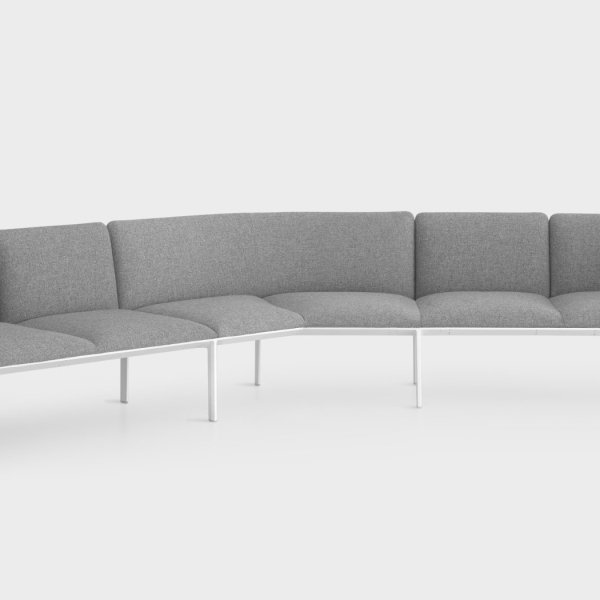
Here you’ll find Italian guest and lobby seating — modular benches, sofas and lounge chairs — built for front-of-house reality: contract-grade frames, upholstery specified for daily public use, and proportions that suit a range of visitors, from the associate to the eighty-year-old board member. The details that decide it are the unglamorous ones — arms placed where a hand actually pushes up, a seat height that doesn’t trap someone in a deep lounge chair, cleanable surfaces that survive a commercial cleaning contract.
La Mercanti specifies reception and lobby seating coordinated with the reception desk and the space, delivered and installed across the US. Samples and contract specifications on request.
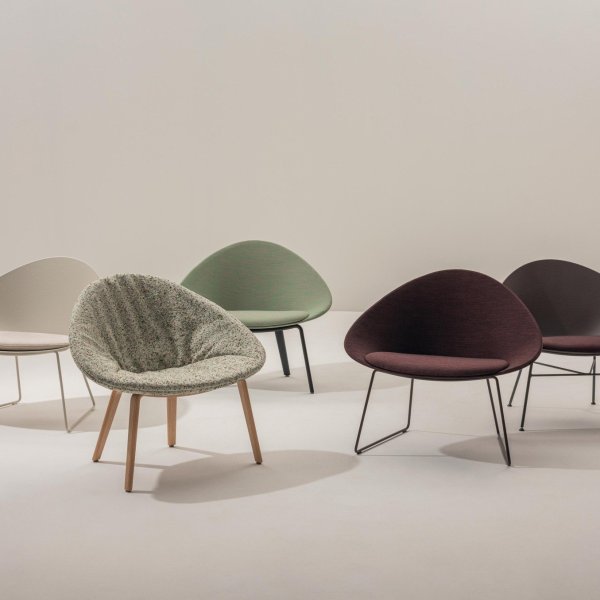
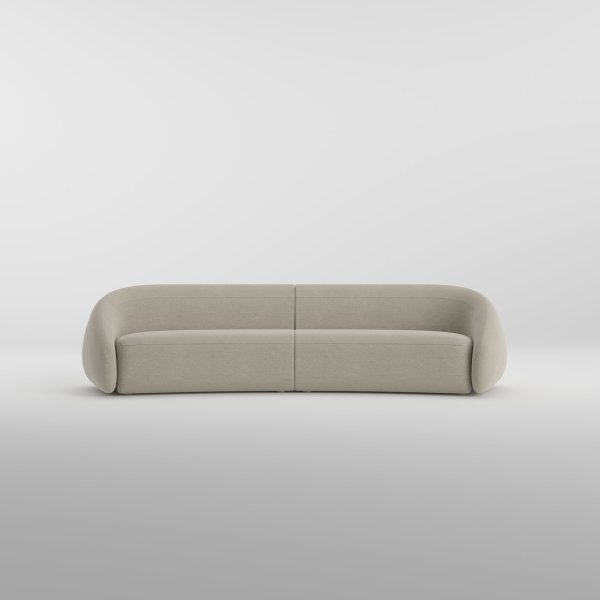
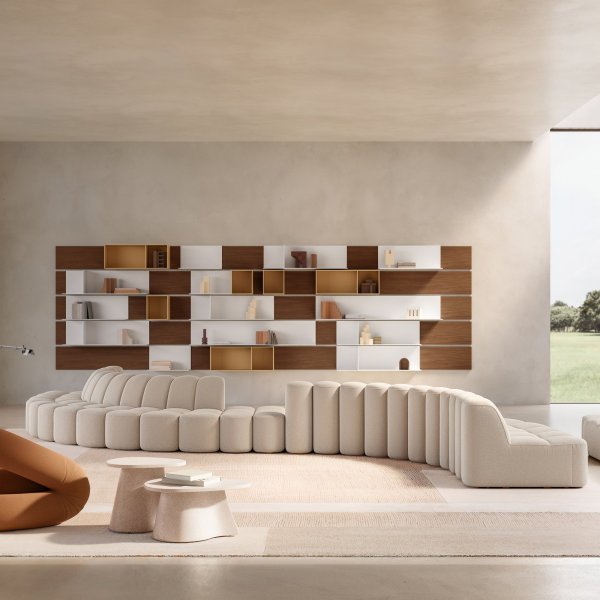


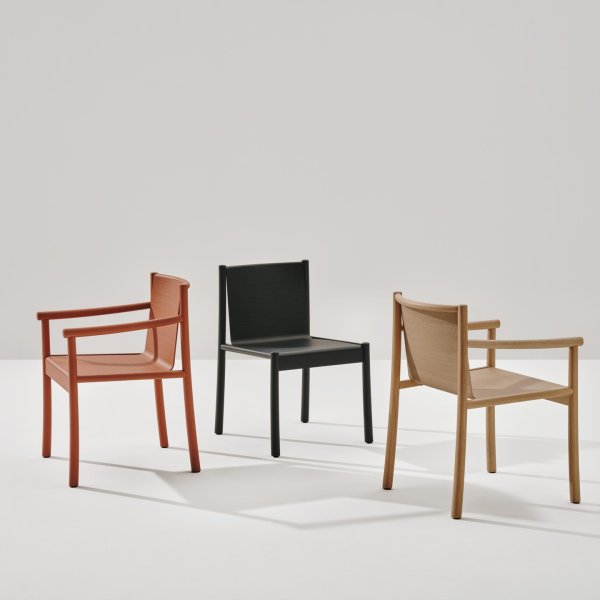

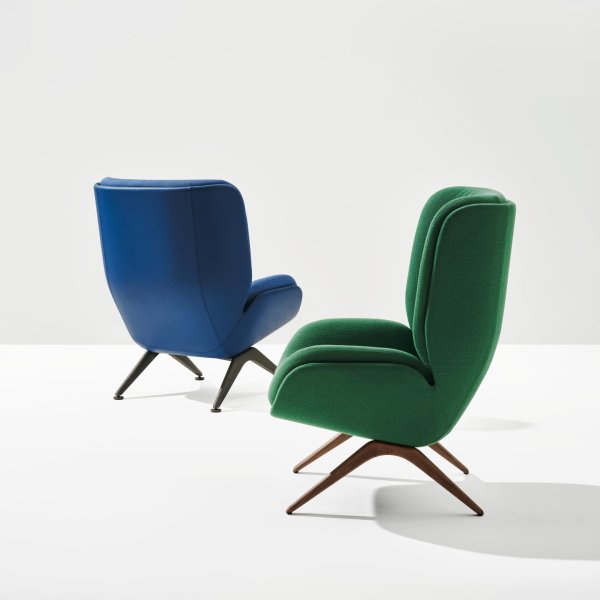
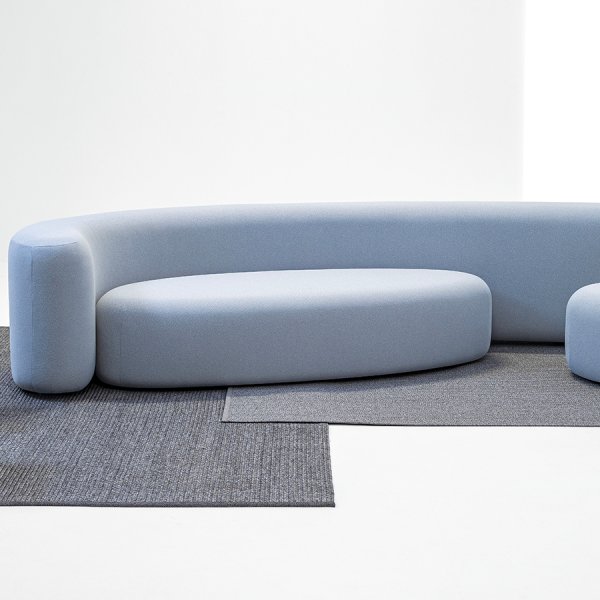
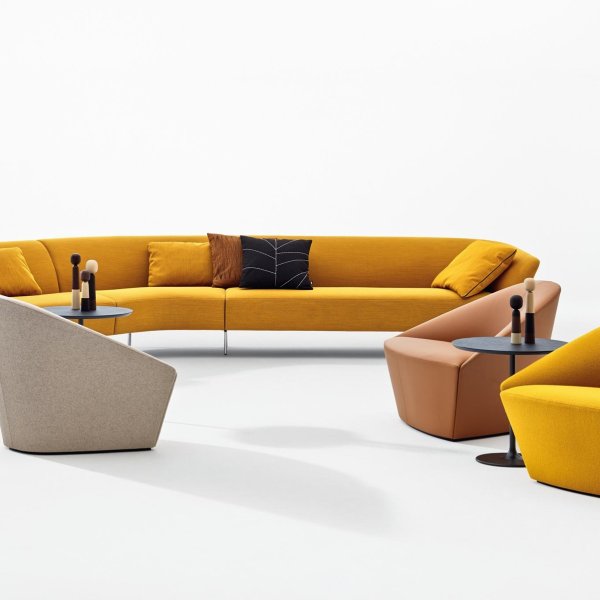
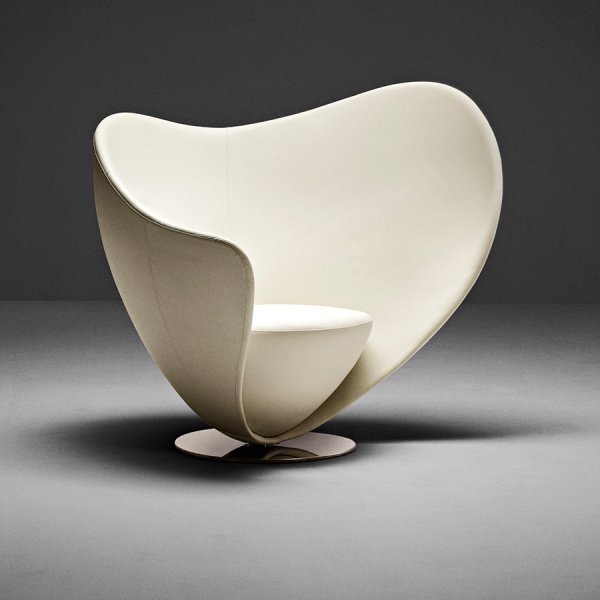
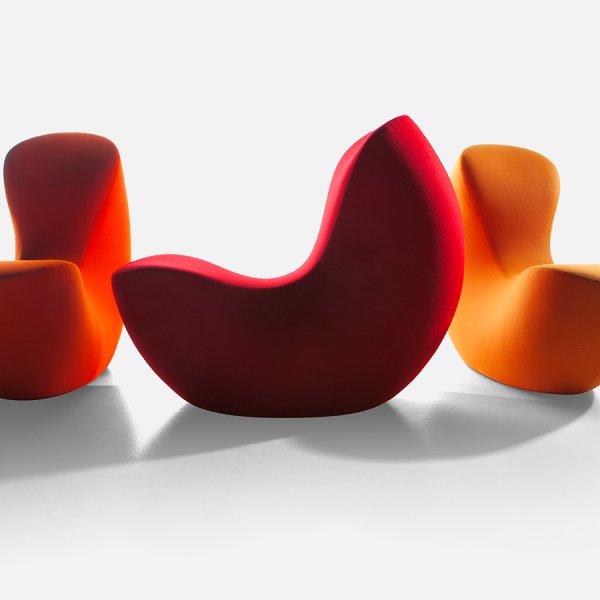
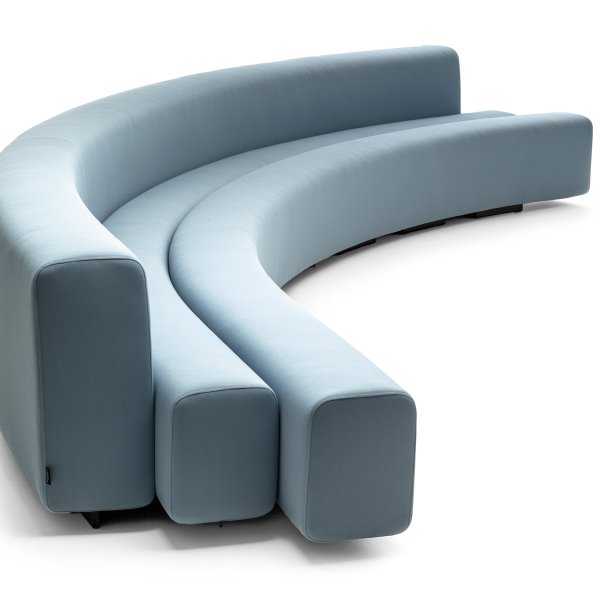
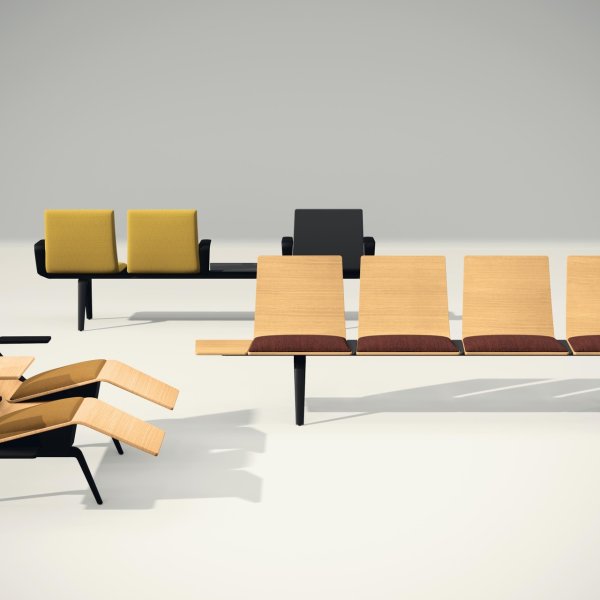
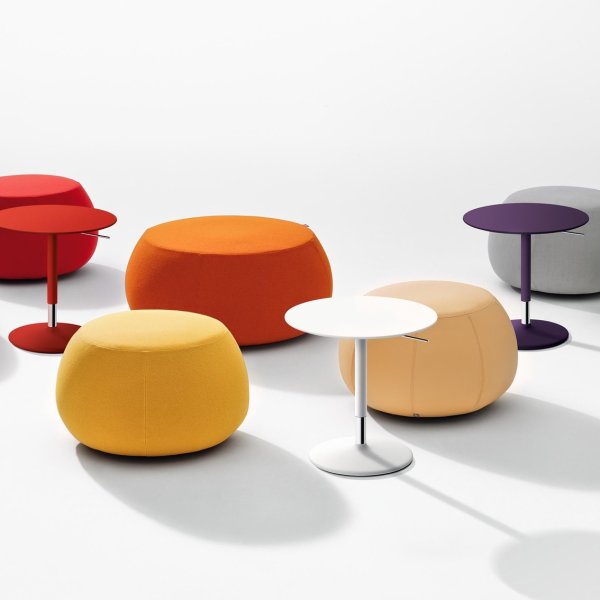
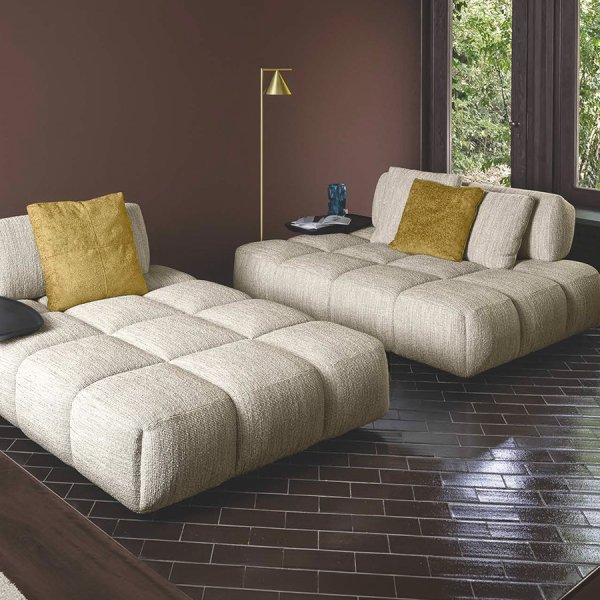
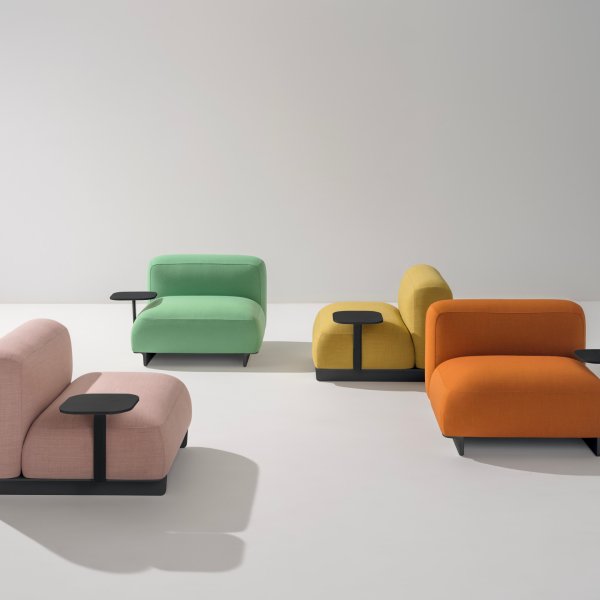
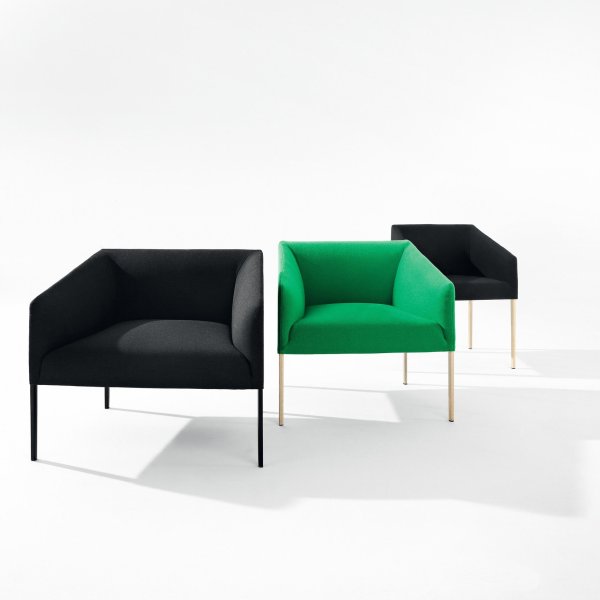
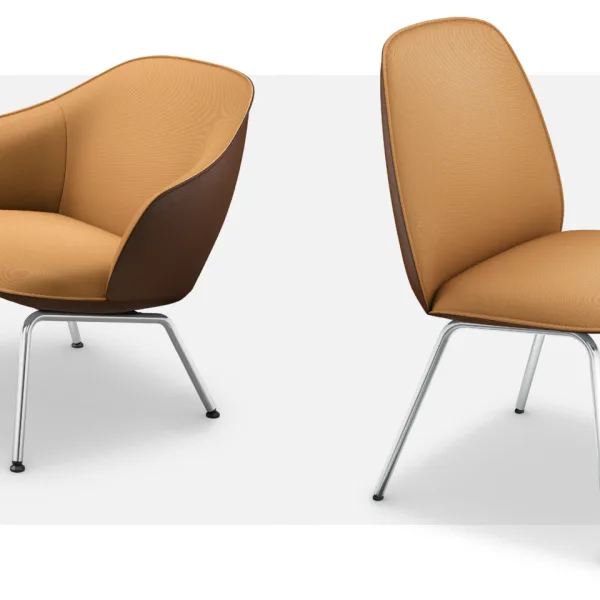
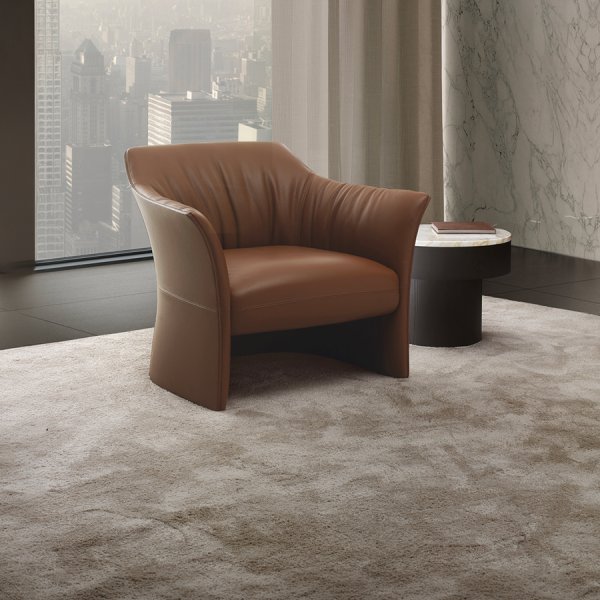
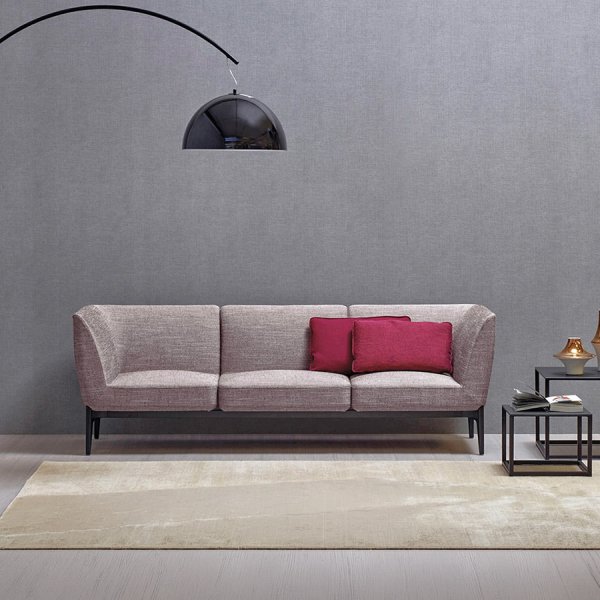
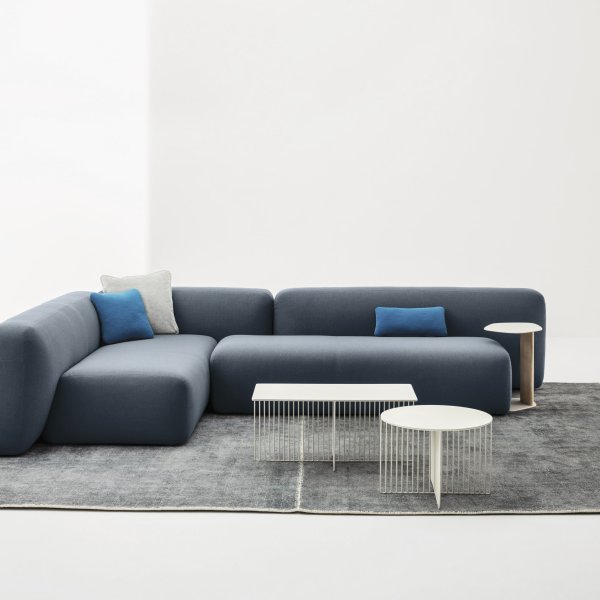
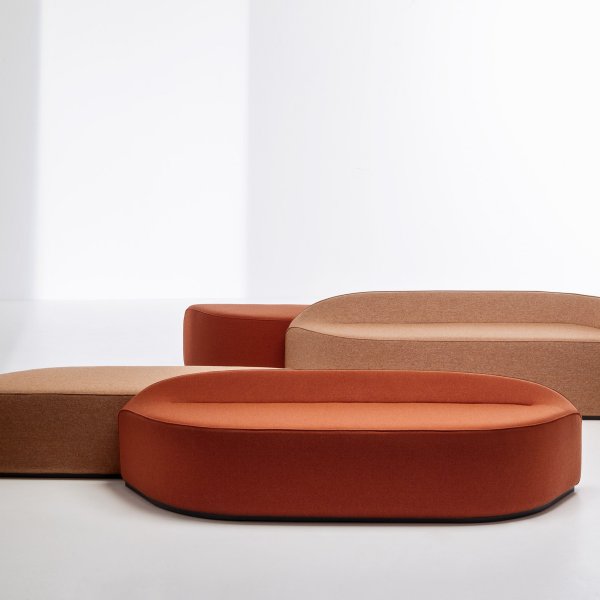
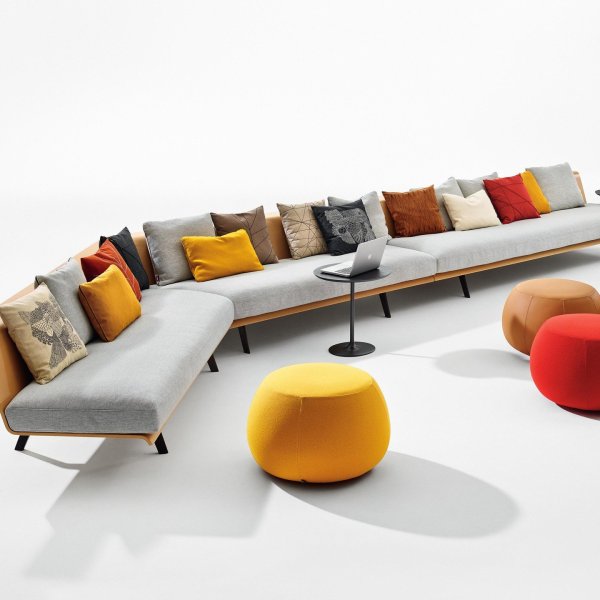
The difference lives in two lines of the spec sheet nobody reads: seat height and arm geometry. A photograph shows silhouette and fabric; it cannot show whether the seat carries a person at a height their legs can work with, or whether the arms put solid structure at the point where a hand instinctively lands. So read the numbers before the image. A guest chair that earns its place at the front of the house runs at standard chair height rather than lounge-low, keeps the seat plane near level instead of raked back, and offers arms with real structure under the padding. Firmness follows the same logic: medium-firm support outperforms plush foam for the short, formal sits a business lobby hosts. The procurement mistake is choosing reception seating the way you’d choose a hotel lounge, by atmosphere. A working lobby isn’t a place people settle into; it’s a place they occupy briefly, dressed for the meeting that follows. Ask the manufacturer for seat height, seat angle and arm height in writing, and evaluate the photograph last. A chair that fails those three numbers will fail your visitors quietly, several times a day, for a decade, and the photograph will never show you why.
Deliberately not a match, though when offices get this wrong it’s almost always by matching too much, not too little. The reception desk is the architectural anchor and the brand statement; the seating’s job is to complete the composition, not compete with it or echo it literally. Pull a shared thread — a material, a finish, a line — through both, then let the seating be its own thing. When the guest chairs are an obvious set with the desk and the coffee table, all bought from one catalog page, the lobby reads as a package rather than a designed space, and at the front of a serious firm that’s a missed signal. There’s also a functional reason not to over-match: a reception often needs two kinds of seating, a couple of individual chairs and a bench or sofa for busier moments, and forcing them all into one matching family limits the layout you can run. Coordinate the palette and the quality; vary the pieces. The visitor should feel the room was composed, not ordered off a page.
Plan capacity for the worst normal moment, not the average one. A law firm reception is usually quiet with occasional clusters — a client plus their team, two candidates back to back — so a handful of individual chairs and one bench covers it, with room to breathe between seats, because strangers in a professional lobby don’t want to sit shoulder to shoulder. A medical or high-traffic office is a different problem: waits run long and unpredictable, several parties overlap, and the seating has to hold more people without turning the room into a bus terminal. The mistake is sizing for the calm day. When the wait runs long, comfort over time starts to matter, and a chair that’s fine for five minutes becomes punishing at forty, while a visitor who’s uncomfortable and ignored is forming an opinion of the firm the whole time. Size the count for the busy overlap, space the seats for professional distance, and make at least some of them comfortable enough to hold a person who’s been kept waiting. The lobby is judged hardest exactly when it’s under the most pressure.
Front-of-house chairs live a rougher life than the seating on the working floor, and the spec has to account for it. They get dragged across the floor, sat on by people in coats with bags on their laps, perched on sideways, occasionally stood on to reach something, and wiped down by a cleaning crew every night. So the specification should demand a contract-grade frame rated for public use, glides that won’t gouge the lobby floor when the chair is dragged, and upholstery chosen for cleanability and wear rather than color alone — a high-rub-count contract fabric, a coated finish, or leather that takes a commercial wipe-down without spotting. If the lobby ever doubles for events, confirm whether the chair is designed to stack or link safely, because a chair that isn’t will get stacked anyway and damaged in the process. Ask for the fabric’s abrasion rating and the frame’s use rating in writing. The guest chair that looks right on day one and tired by month six almost always failed on the unglamorous specs, the fabric and the frame, not on the design.
A guest chair is easy to choose from a photograph and easy to regret in a working reception. The lobby doesn't judge the chair on how it looks empty; it judges it on the arrivals, the long waits, the cleaning crew, and the reconfiguration. Run the spec against those four realities before you commit, and you catch the failures that otherwise show up as a tired, wrong-feeling reception six months after handover.
Before anything else, act out an arrival in a physical sample. Walk up, lower into the chair the way someone in a suit or a heavy coat would, sit for a minute, then stand and step away. Now do it as your hardest case: an older board member, a pregnant client, a tall candidate, someone favoring a bad knee. This is where low, soft lounge chairs fail a reception — they’re pleasant to fall into and a struggle to leave, and the struggle happens in full view of the front desk.
Check that the seat height lets a person rise without pushing off their thighs, and that the arms are where a hand actually lands. If the chair only works for a fit thirty-year-old, it’s the wrong chair for a front-of-house that greets everyone who walks in. A reception seat that makes a senior visitor look ungainly on the way up is doing damage the brand on the wall can’t undo, and it’s the kind of damage no one reports because it’s too small to mention and too consistent to ignore. Do the same walk in the shoes your visitors actually wear, not sneakers, because a smooth-soled dress shoe on a polished lobby floor changes how a person braces to stand, and a chair that’s easy to rise from in flats can feel precarious in heels or hard soles.
Most guest chairs feel fine for the first few minutes; that’s a low bar and the wrong one. Sit in the sample for a genuine stretch — fifteen or twenty minutes with a laptop or a phone, the way a kept-waiting visitor actually sits. A seat that’s too soft bottoms out and starts aching; one that’s too shallow or too upright pushes you forward and gives the back nothing to lean on.
In a medical office or any reception where waits run long, this test is close to the whole decision, because the chair’s job is to keep a person comfortable and un-irritated during exactly the minutes when they’re forming a judgment of the organization. If the chair is only comfortable for the length of time it takes to be greeted on a good day, it fails on the bad days that matter most. Comfort under a long wait is a front-of-house specification, not a luxury, and it’s the spec that separates a reception people don’t mind waiting in from one they remember waiting in. If the space ever holds a client who arrives early for a long deposition or a full day of interviews, test for that length too, because the chair only has to fail once, in front of the wrong person, to undo the impression the lobby was built to make.
Now test the chair against the two forces that age a lobby fastest: nightly cleaning and periodic rearrangement. Ask what happens when this fabric meets a commercial cleaning contract — will it spot, will it hold color, will a wipe-down leave a ring. Light, delicate, residential-grade upholstery in a public lobby is a decision you’ll regret by the second season, and no amount of care instructions will save it once a rotating crew is cleaning it fast at night.
Then picture the chair being dragged to clear space for a delivery or an event: do the glides protect the floor, is the frame rated to be moved without loosening, will it survive being handled by people who don’t own it. A guest chair that demands careful treatment won’t get it, because a reception is a public room used by strangers and maintained by whoever is on shift. Specify for rough, routine handling and cleanable surfaces, and the lobby still looks intentional in year three instead of visibly tired. Ask the facilities team what they’ll actually be allowed to use on the fabric, because a cleaning contract that reaches for the strongest product on hand will strip a delicate finish fast; specify a material that tolerates what the building’s crew really does, not what the care card would prefer.
Only after the chair survives the arrival, the wait and the handling does the paperwork decide whether it belongs in your spec. Get three things in writing: the frame’s use rating for commercial or public environments, the upholstery’s abrasion rating and its cleanability code, and whether the piece is designed to stack or link if your lobby doubles for events. For imported Italian seating, confirm the upholstery meets US expectations for contract use, and ask about low-emission material certification such as GREENGUARD if indoor air quality is part of your building’s standard.
La Mercanti supplies these contract details with the sample, so the specification is settled before the order rather than discovered after a visitor’s first impression has already been formed. The guest chair that clears all four passes is the one still doing its quiet work at the front of the house long after the fit-out photographs were taken, and long after everyone has forgotten which chair it was. That anonymity is the sign you chose right. Keep the approved sample on hand through installation so the delivered chairs can be checked against the spec, because a substitution slipped in at the factory or the reseller is easiest to catch before it’s placed in the lobby, not after a season of visitors has already sat in it.