
New Arrivals
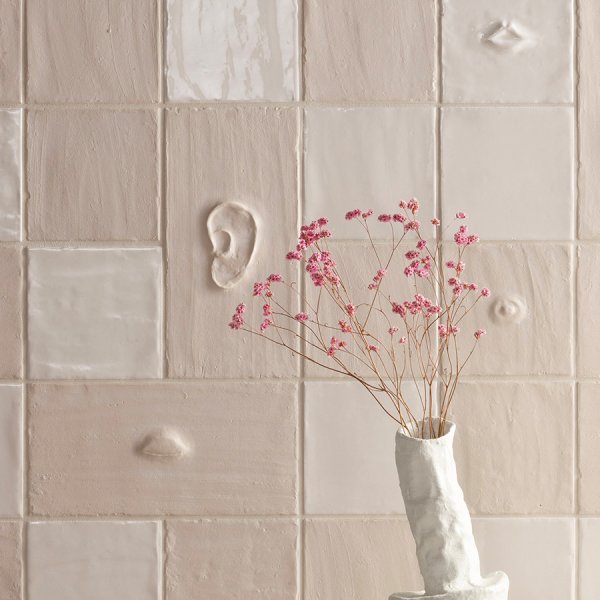
Faces & Figures
$ 585
/box
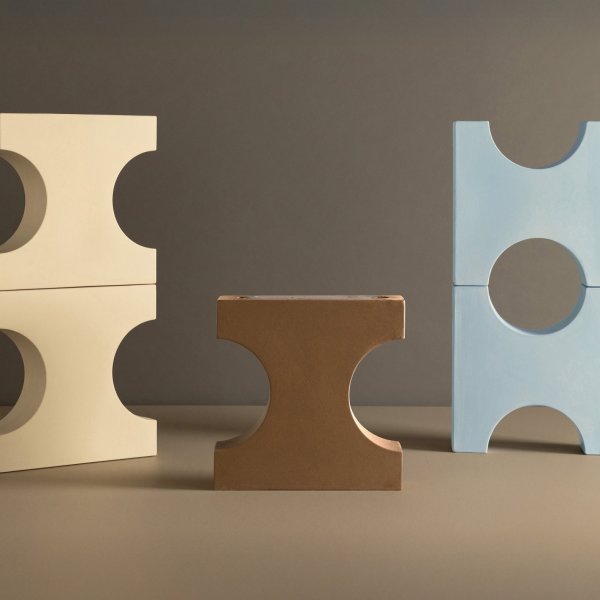
Buy tile and you've bought a surface. Choose Mutina and you've chosen a statement. Founded in 2005 in Fiorano Modenese, Italy's historic ceramic district, Mutina did what no one had tried — putting the world's foremost designers to work in porcelain stoneware. Patricia Urquiola, Konstantin Grcic, Barber & Osgerby, the Bouroullec brothers, Vincent Van Duysen, Tokujin Yoshioka: the names behind museum pieces, here behind floors and walls. Every surface is made entirely in Italy by master potters, and the Mutina for Art program keeps contemporary art at the core. Since 2024, Mutina is a member of Altagamma, the alliance of Italian excellence.
For a company, it lands where perception is made: the reception that receives clients, the executive restroom, the boardroom, the leadership floor, the café and dining area, the outdoor terrace. Floors, wall surfaces, three-dimensional pieces and exterior lines — where the surface is an asset, not a finish, Mutina is the difference between an office and one that gets photographed.
La Mercanti specifies these surfaces alongside the furniture, so an American project reads as one statement from floor to desk.
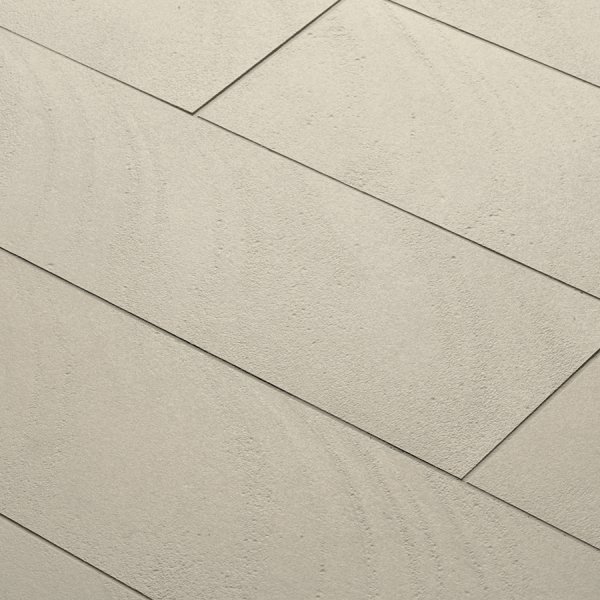

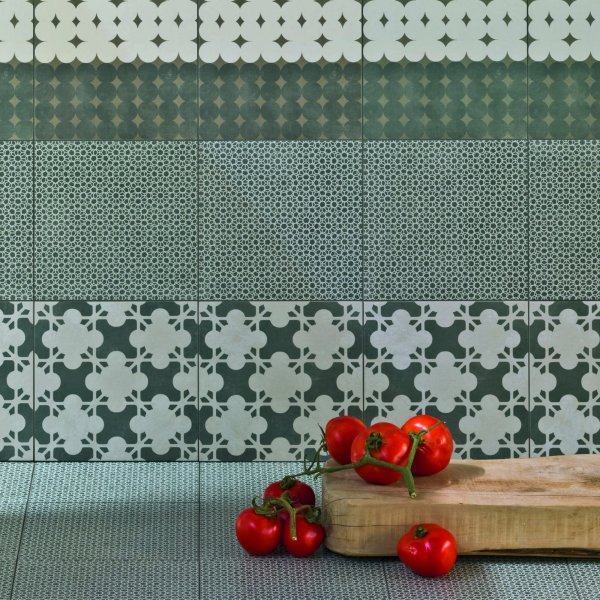
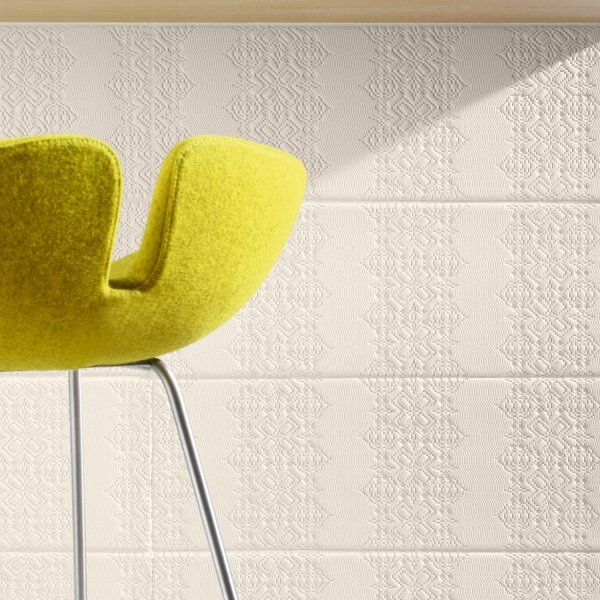
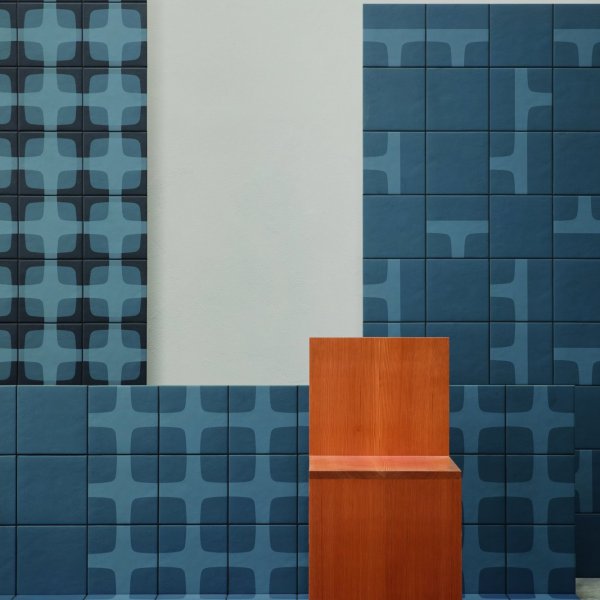
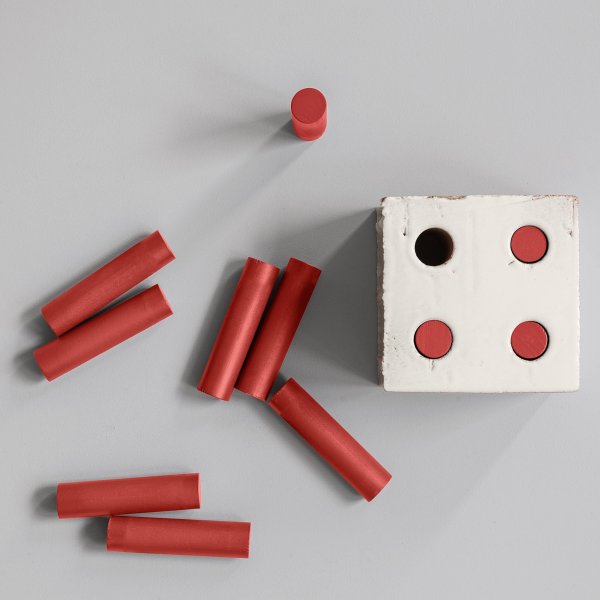
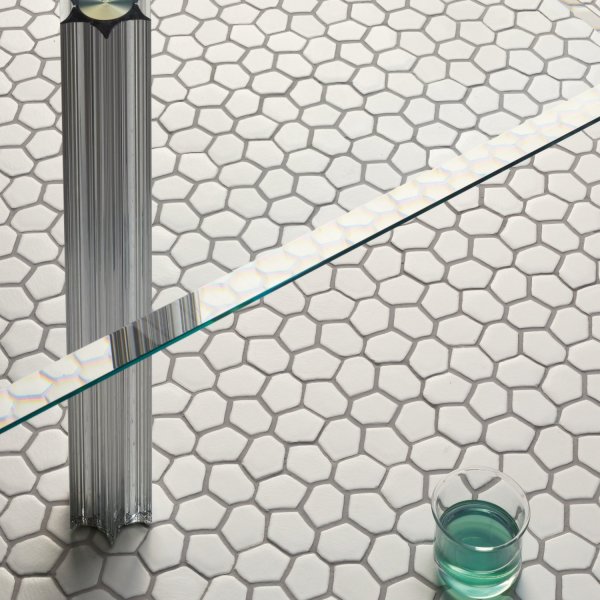
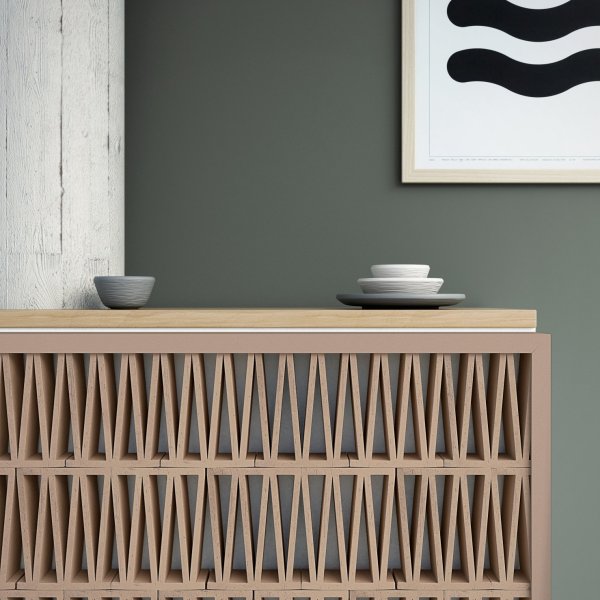
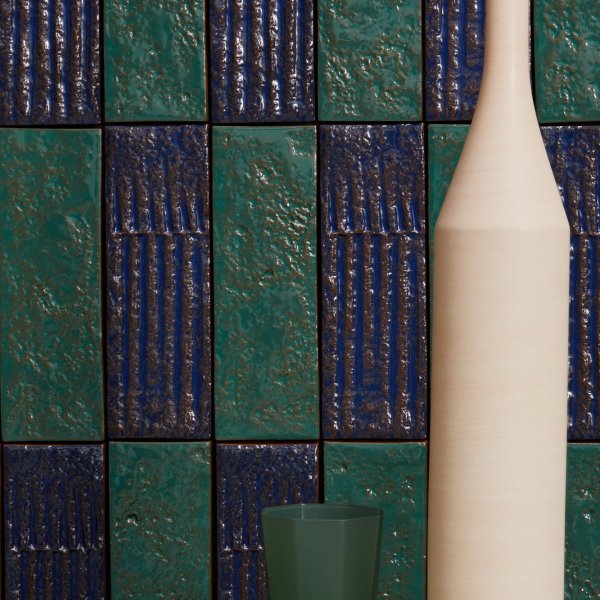
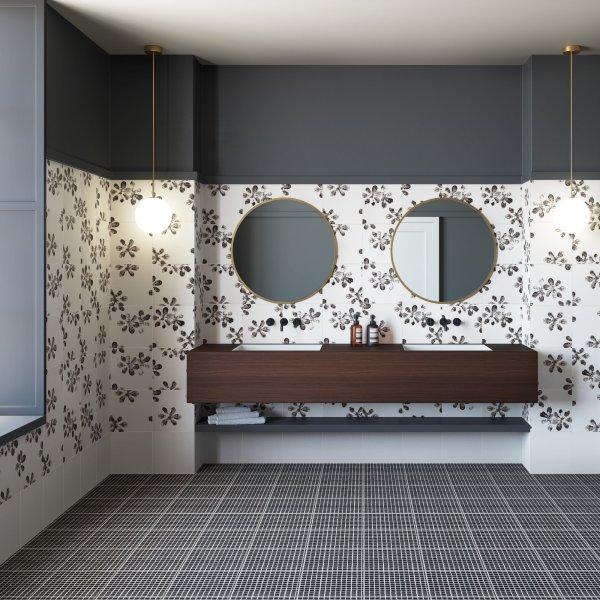
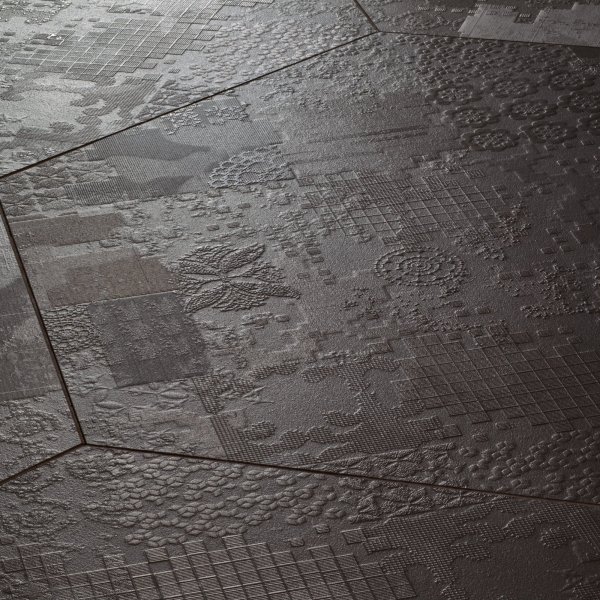
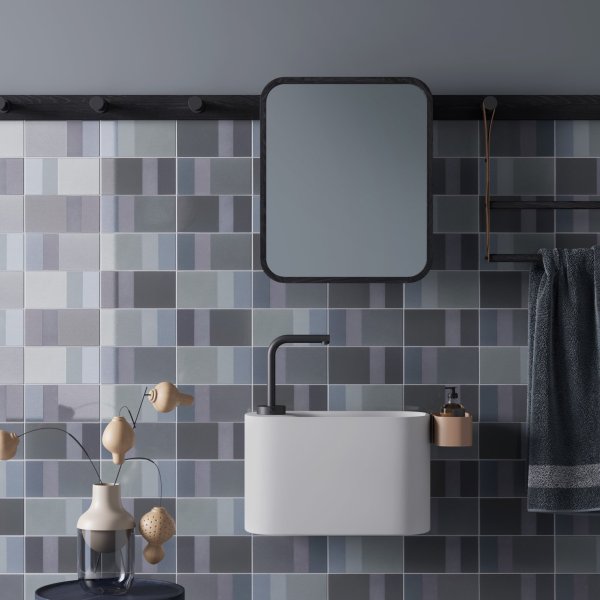
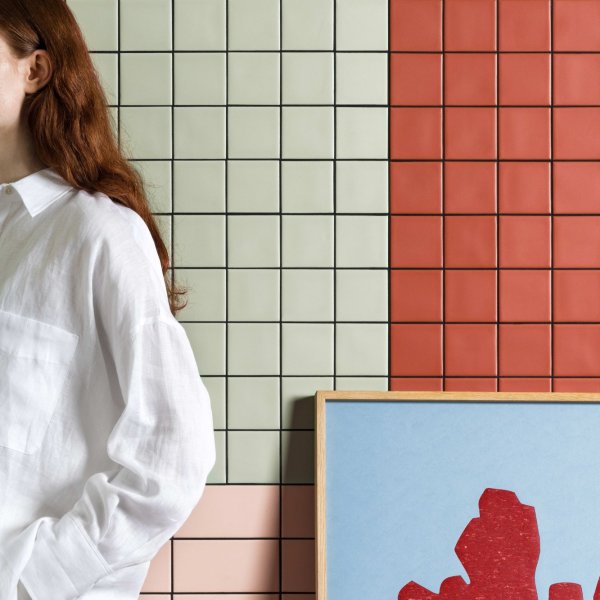
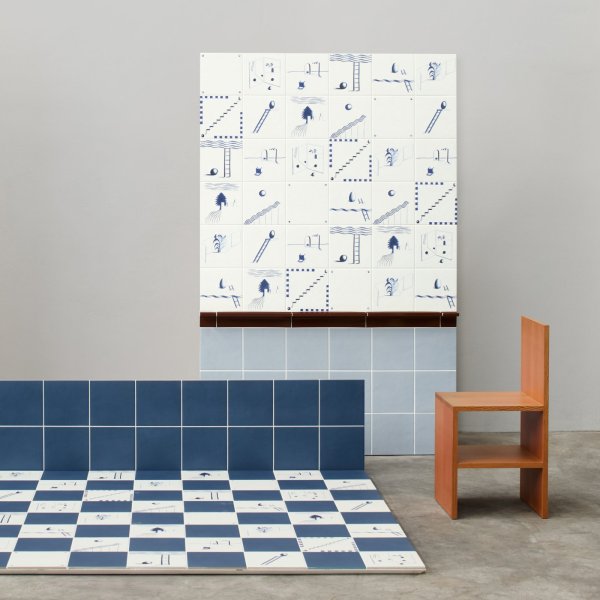
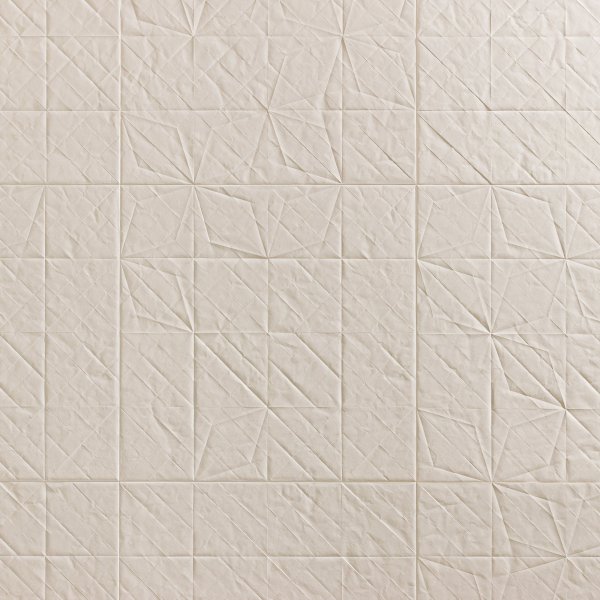
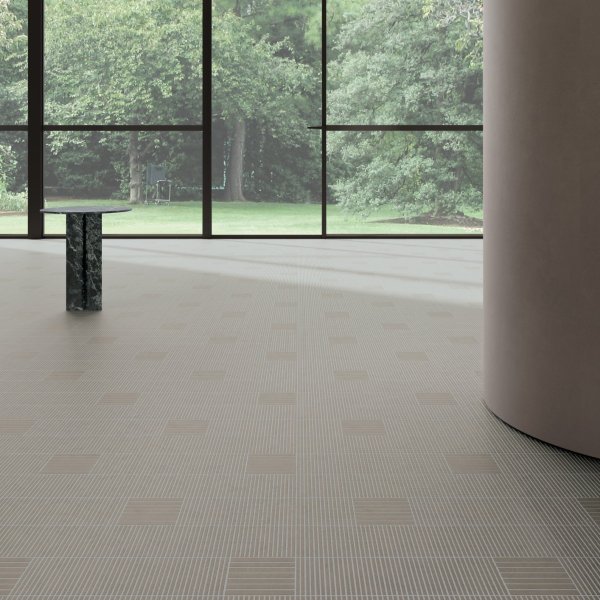
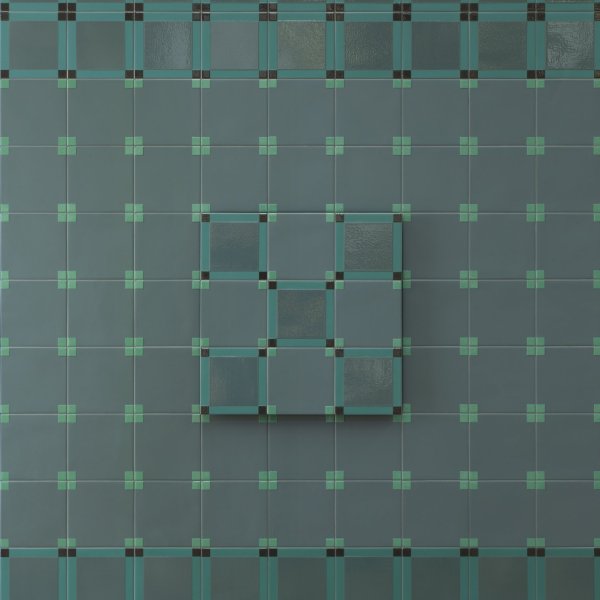
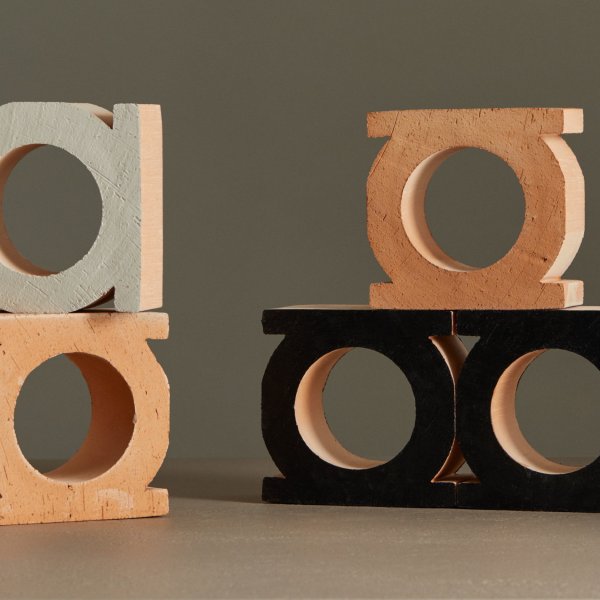
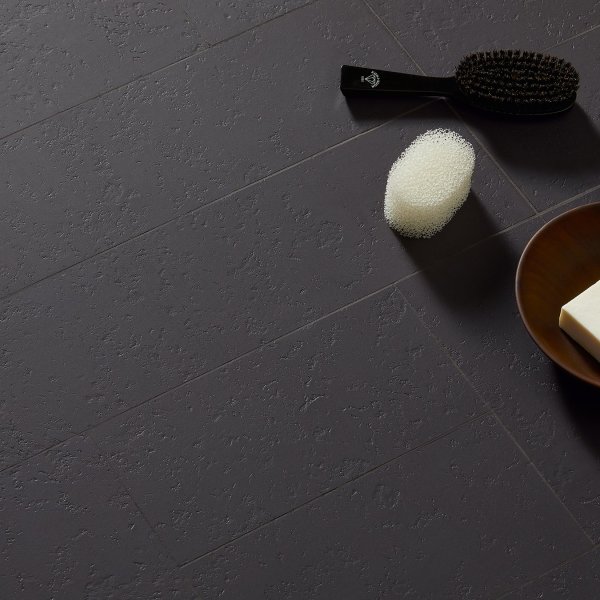
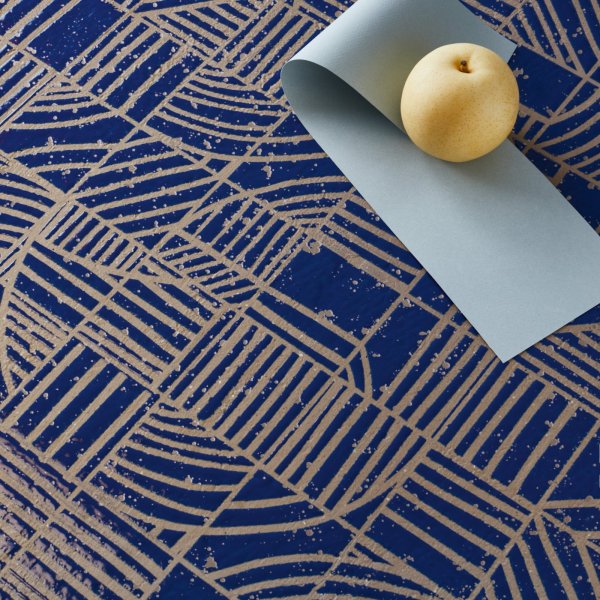
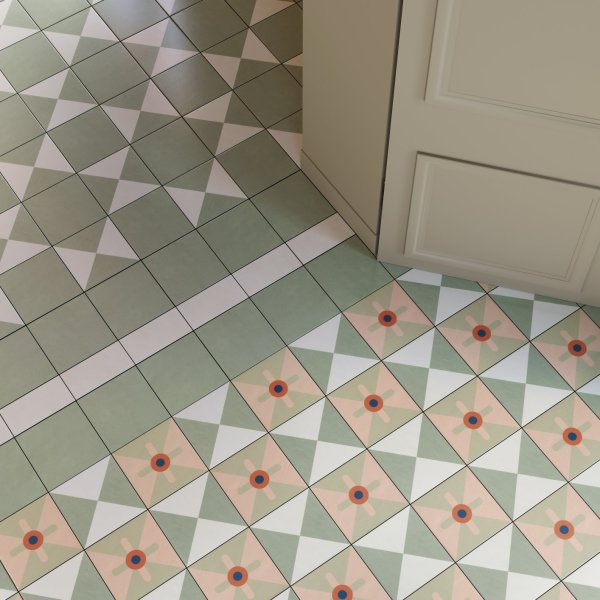
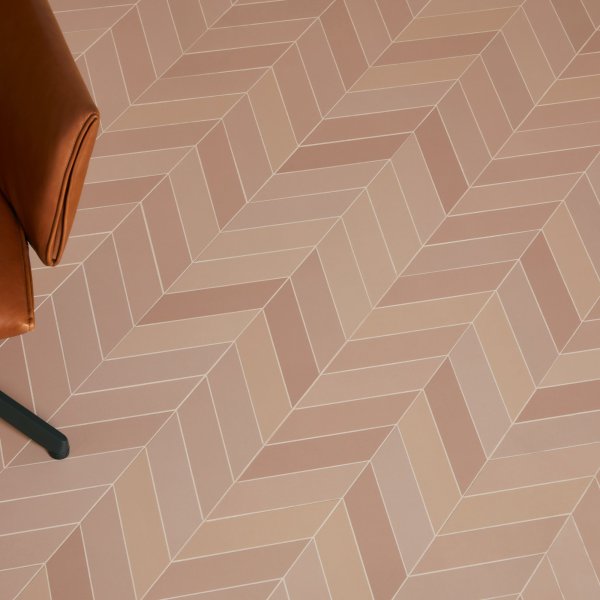
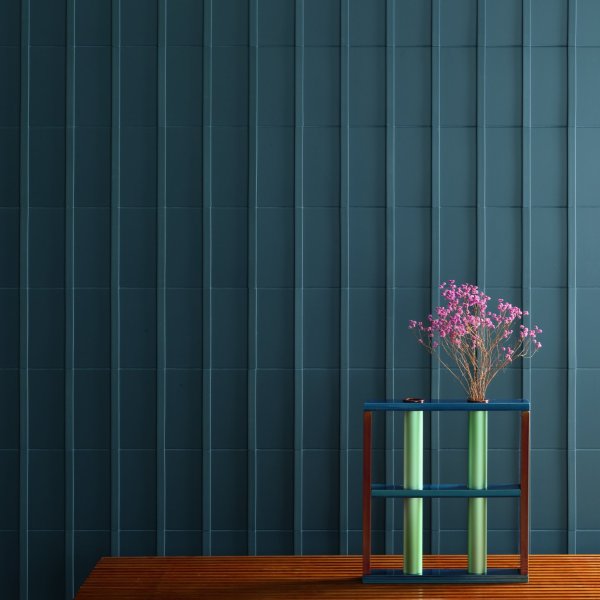
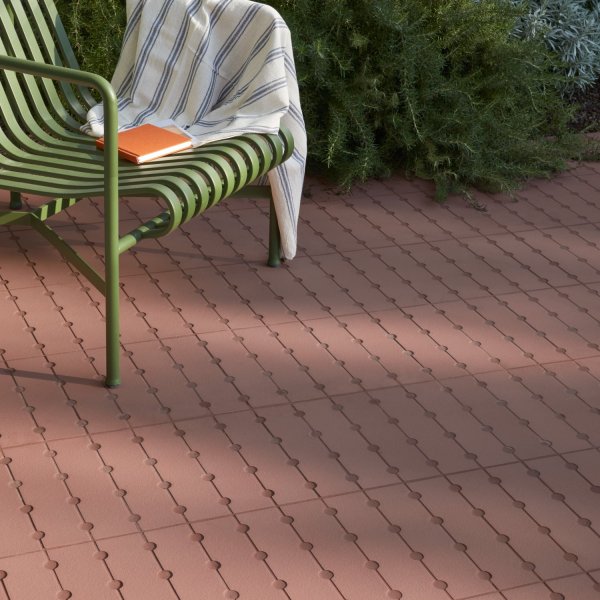
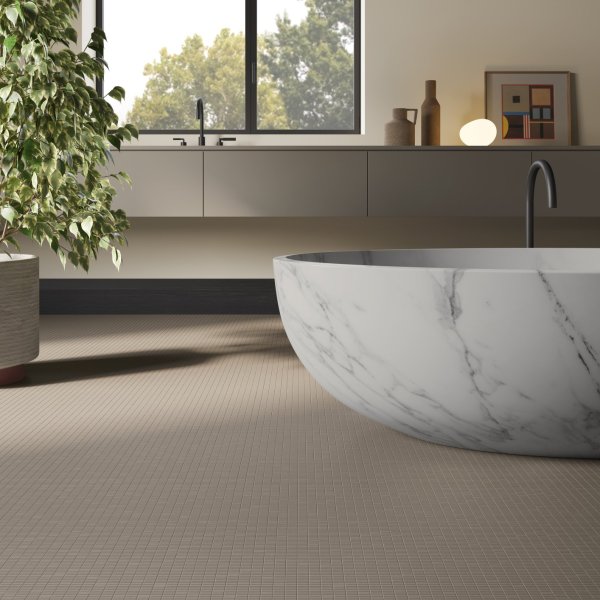
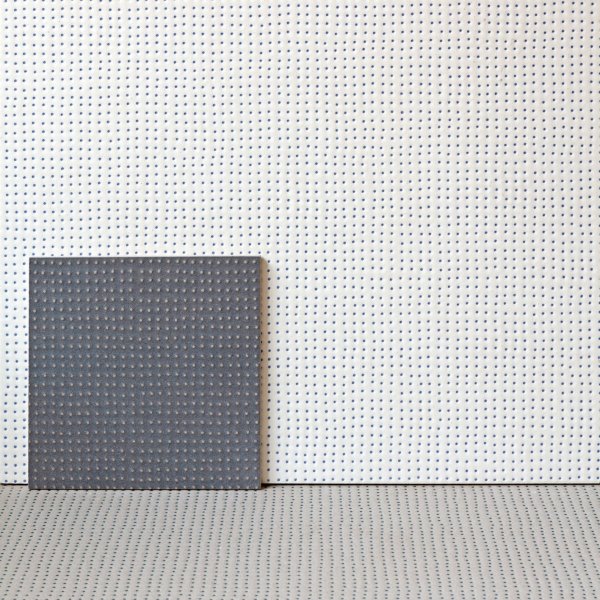
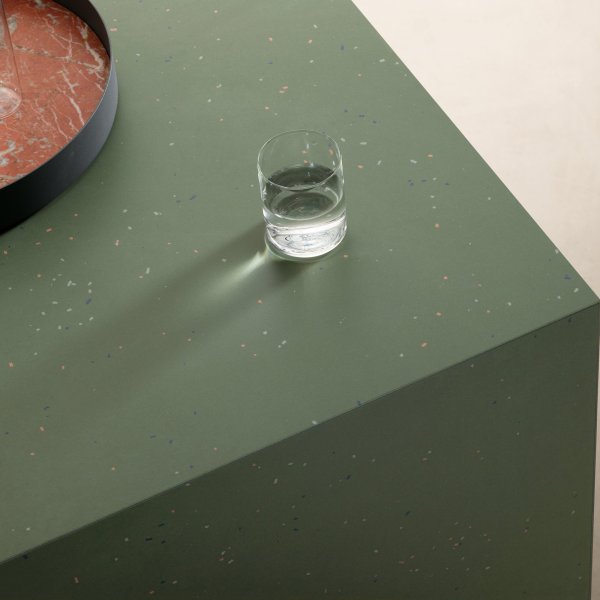

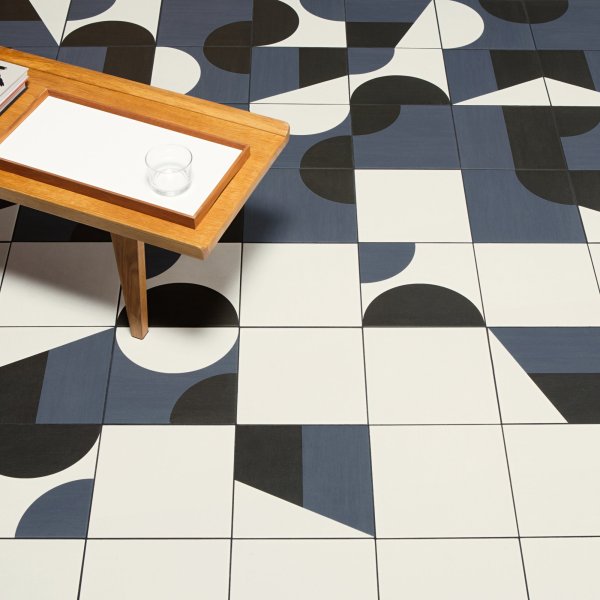
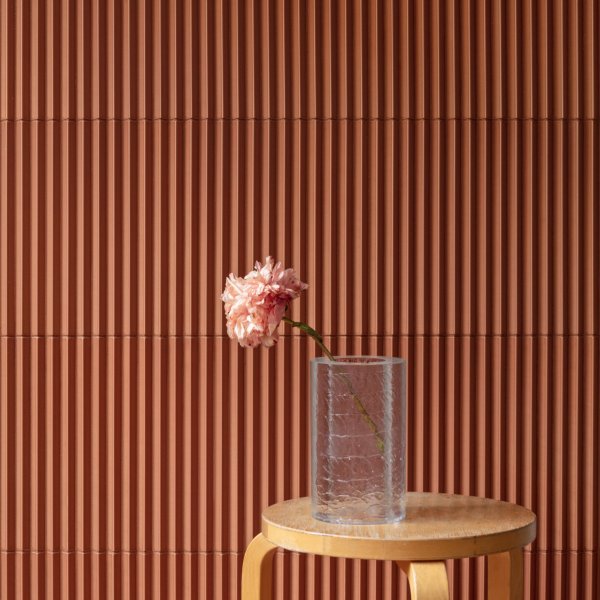
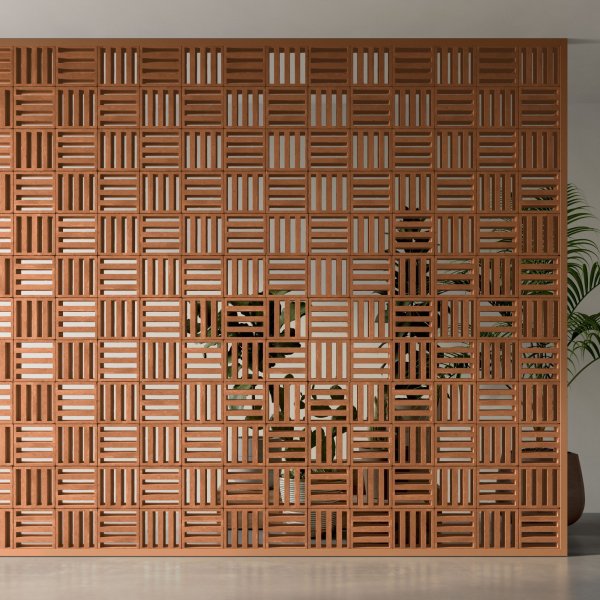
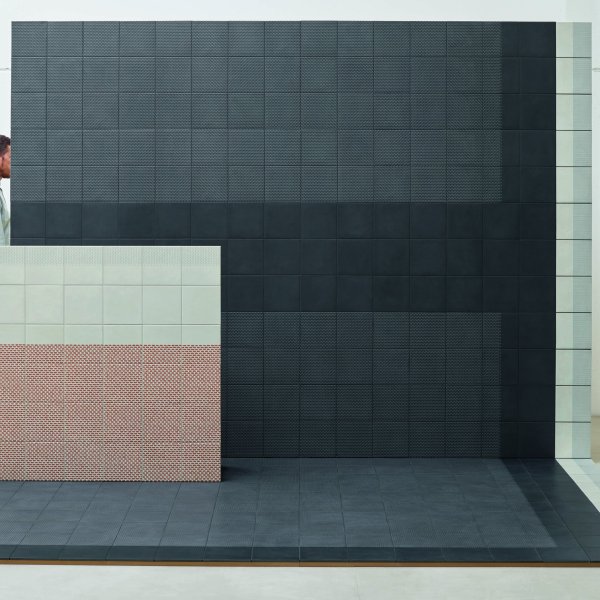

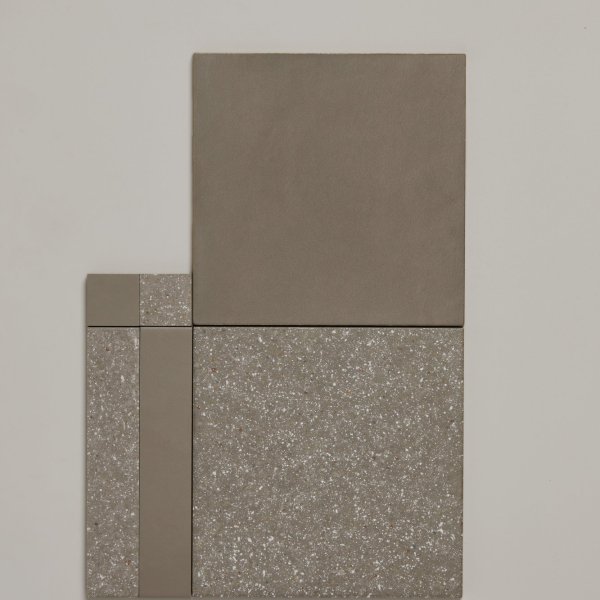
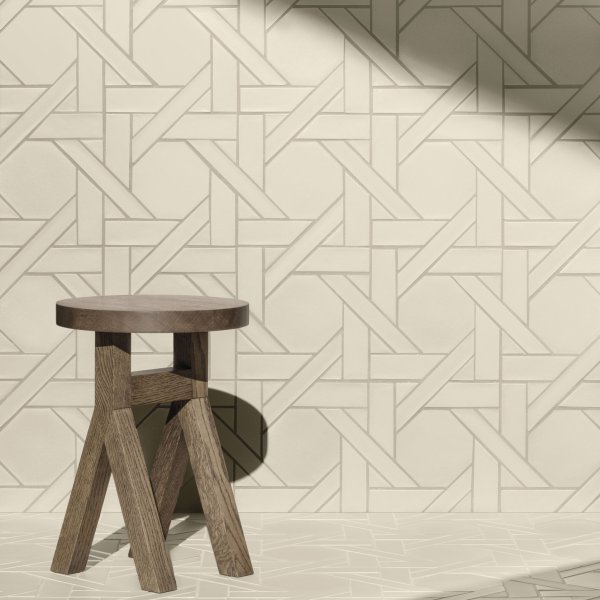
Because the surface of a prestige space is the first thing a visitor reads, and Mutina signs it with the designers behind museum work — Urquiola, Grcic, Bouroullec, Van Duysen. It isn't just looks: it's porcelain stoneware made in Italy by master potters, built to take public traffic for decades. A commodity floor disappears; an authored surface becomes how the company presents itself.
Where people arrive, pause and look: reception, executive restroom, boardroom, leadership floor, café, outdoor. That's where a surface becomes an asset. In back-of-house, corridors or plant rooms it's spend no one sees. La Mercanti's role is precisely that — concentrate the ceramic budget in the spaces the company shows, the right collection for each, and leave standard commercial tile for the rest.
For architects, workplace teams and procurement: how a prestige ceramic pays off — from the spaces worth the spend to installation.
Mutina earns its place where the company shows itself: reception, executive restroom, boardroom, café, outdoor. Mark those surfaces first; the rest of the building stays standard commercial. It's the call that separates impression from scattered spend.
Every Mutina designer has a voice: Urquiola warm and material, Grcic graphic and spare, the Bouroullecs geometric, Van Duysen quiet and architectural. Choose the collection for the character of the space, not the prettiest sample alone.
Floor, wall surface, three-dimensional piece for a divider, exterior line: Mutina covers them all. The choice follows use — traffic, restroom moisture, outdoor exposure — before aesthetics.
Surface and furniture must agree. La Mercanti moves surfaces and furniture as one scheme — nothing left to argue on site.
Reception, boardroom, executive washroom: spend the surface budget where visitors form opinions.