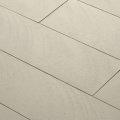
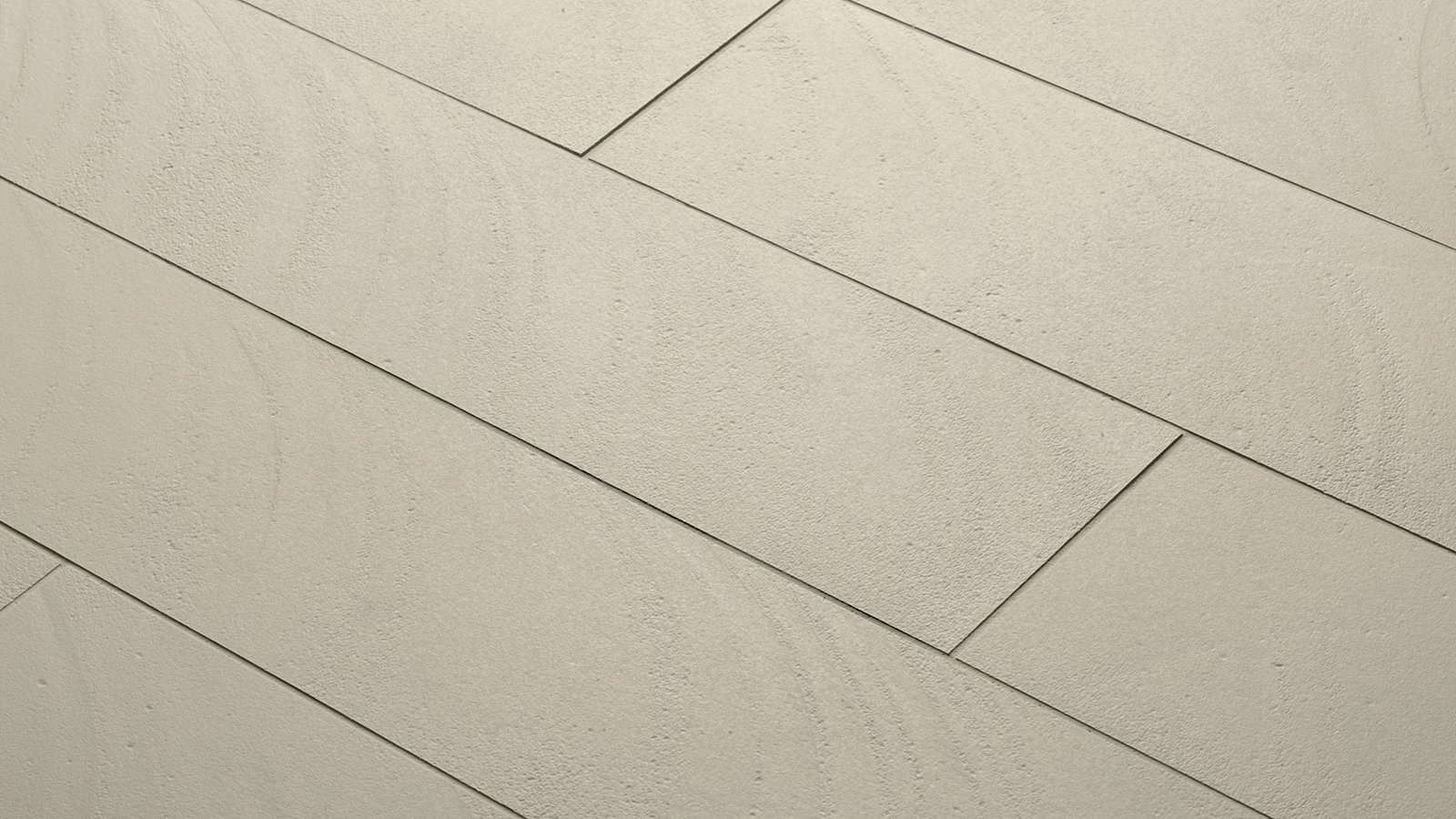
Otto by Mutina glazed porcelain planks in Salvia on a lobby floor

The disclosures behind Otto by Mutina: HPD, EPD, SVHC and VOC data

Mutina
Otto Salvia
Otto Salvia Available now
From $ 1/box

Let's discuss your project

Trade terms for professionals and design studios

On a U.S. project the tile is only half the submittal; the other half is paper. For Otto, Mutina lists what it can put behind the product: a Health Product Declaration, an Environmental Product Declaration, a Declaration of Contents, an SVHC declaration, VOC emission data and its ISO 14001 environmental certificate, all available on request. The collection is also stated to contain more than 20% recycled material under LEED v4.1.

For designers who have to defend a finish to a sustainability consultant, that list matters as much as the color. And the color is the point of Otto: a palette of eight muted porcelain tile colors keyed to Emilia as Ghirri saw it through his lens, made with pigments ground in water, on one plank 6″ × 36″ and ⅜″ thick.

Mutina lists it for interior and exterior floors and walls alike, with a DCOF of 0.68. In an executive bathroom a single color can cover floor and ceiling-high walls with a matching base. La Mercanti requests the declarations from Mutina with the quotation, so they reach the architect in the same package as the samples.

Technical information based on data declared by the manufacturer.

Collection: Otto, glazed porcelain stoneware for floors and walls
Manufacturer: Mutina, Fiorano Modenese (Modena), Italy
Design: Mutina, 2026 — shades inspired by the landscapes of Emilia and by Luigi Ghirri
Material: glazed porcelain stoneware, UNI EN 14411 App. G group BIa GL
Size: plank 6″ × 36″, thickness ⅜″; actual caliber 35.26″ × 5.81″
Colors: 8 solid shades — Latte L1, Perla P5, Nebbia N3, Salvia S7, Burro B4, Cipria C2, Terra T1, Acqua A4; ceramic pigments and glazes ground in water
Surface: soft relief continuing from plank to plank, pressed in purpose-made steel molds; shade variation V2
Trim: base 2″ × 36″ nominal
Use: floor and wall, interior and exterior
Installation: straight or staggered; 1/16″ joint; porcelain tile adhesive; cement or epoxy grout; blend from several cartons
ISO 10545: water absorption 0.07%; frost and thermal shock resistant; stains class 5; household and pool chemicals class A, acids and alkalis A-B
Slip: DCOF 0.68; R10 (DIN 51130); barefoot class B (DIN 51097); pendulum 60 dry and 40 wet (EN 16165)
Sustainability: over 20% recycled content (LEED v4.1); declared VOC-free; EPD, HPD, Declaration of Contents, SVHC and ISO 14001 on request
Packing: 7 planks = 10.1 sq ft per carton, 40.6 lb; 51 cartons = 516 sq ft per pallet, 2,069 lb
Base trim packing: 10 pieces = 29.5 linear ft per carton

La Mercanti USA Llc — your partner for Italian design and contract supply.
Los Angeles, CA, USA · +1 855 335 8079 · info@lamercanti.us
Supply, quotes, specifications and project support across the United States and North America.

Let us know which finishes you'd like to explore

$ 180

Credited in full toward your purchase

FAQ

What are the real dimensions of an Otto plank?

The nominal size is 6″ × 36″; the actual caliber is 35.26″ × 5.81″, and the thickness is ⅜″. Use the actual size when you set out a layout to the joint, because the nominal figure is rounded.

Why are the Otto colors so soft?

Mutina makes them only with ceramic pigments and glazes ground in water, without digital printing. The process gives naturally pastel tones with a dusty, quiet finish rather than a printed image sitting on the tile.

Can Otto go on an exterior patio?

Yes. Mutina rates it for exterior floors: it is frost resistant under ISO 10545-12, with a wet pendulum value of 40 and R10. The setting bed, drainage and slope still have to follow the project’s own exterior detail.

How much recycled material does Otto contain?

More than 20%, as stated by Mutina for LEED v4.1. It applies to the whole collection, so every shade counts toward the same credit in a submittal.

Should Otto be laid straight or staggered?

Both work: Mutina designed the plank for aligned and staggered layouts alike. Straight emphasizes the length of the room; a half-offset stagger breaks the relief into a denser rhythm and asks for a little more cutting at the ends.

How to choose an Otto shade from samples

Otto’s colors are soft and shift with the light. Five steps to pick the right one on site, not on screen.

Narrow it to three

From the eight Otto shades, keep three that fit the materials already chosen: millwork, fixtures, wall paint.

Order the three as samples

La Mercanti ships Otto samples of those three; the cost is fully credited against the order once it is confirmed.

Look at them at two times of day

Lay the Otto samples on the floor where they will go and check them in the morning and late afternoon. Pastels read warmer or cooler with the sun.

Put them next to the grout

Hold a grout sample against each Otto shade. With a 1/16″ joint the grout barely shows, but a strong contrast still changes the field.

Record the code

Write the chosen Otto shade with its code, for example Salvia S7, on the finish schedule so the order matches the approved sample exactly.