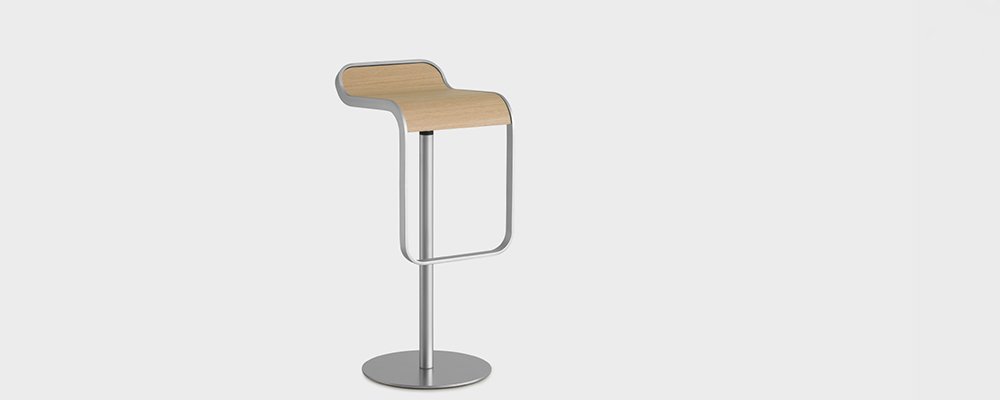
LEM stool by Lapalma at a corporate cafe counter

The lander carried nothing it did not need, and neither does LEM

Lapalma

Shin & Tomoko Azumi

Lem
Lem An icon of Italian design
$ 1,555

You've found the piece. Now the project.

Trade terms for professionals and design studios

In 1969 the Lunar Excursion Module carried two people to the surface of the moon and nothing that was not strictly required to get them back. In 2000, at the turn of the millennium, Lapalma borrowed the name for a stool — and a name like that is a constraint, not a compliment.

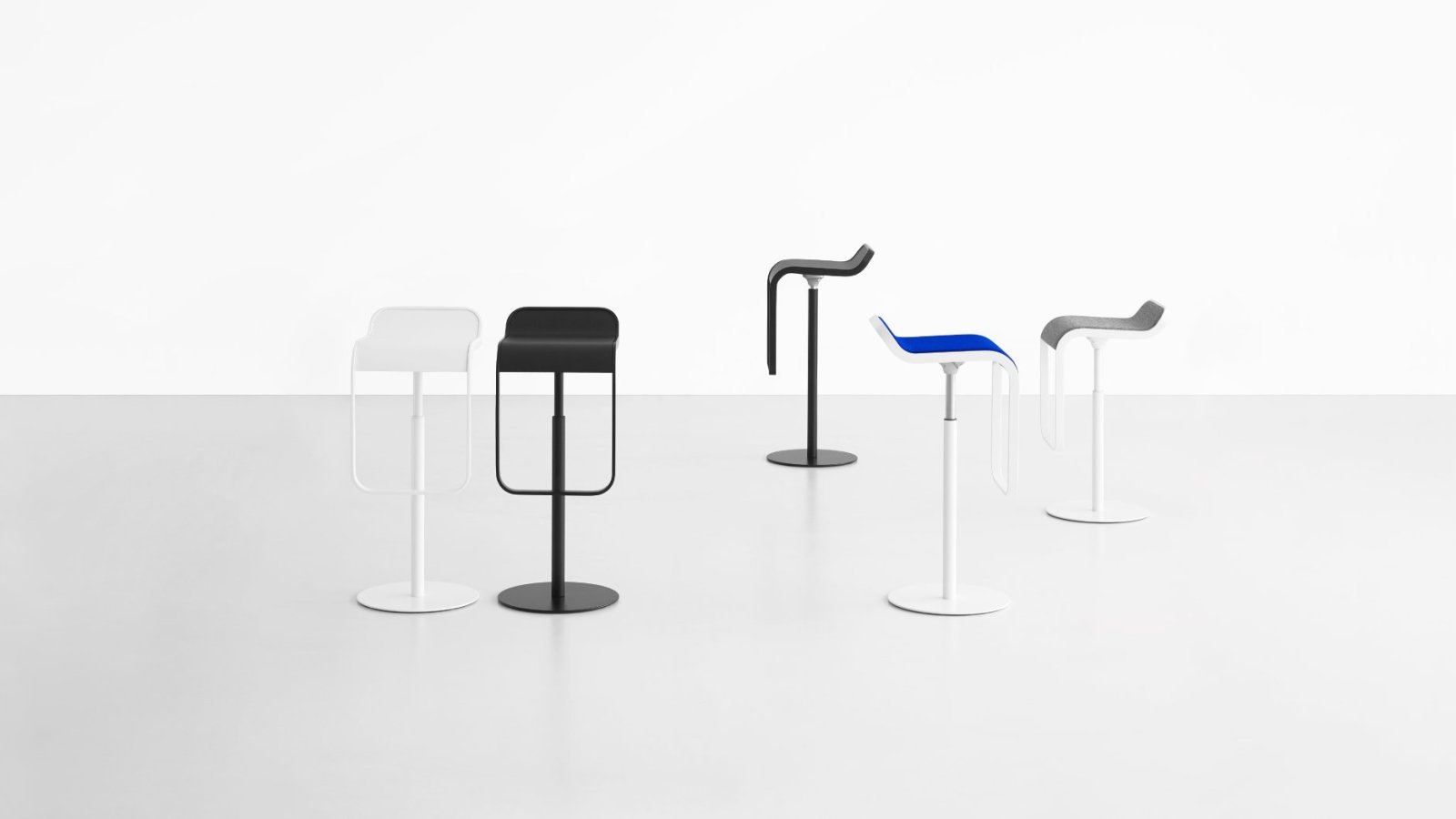
What it commits the design to is visible from across a room. Every function the stool has to perform sits inside one continuous line that rises from the base, absorbs the column and closes into the seat. There is no apron, no bracket, no cover plate hiding a joint, because there is no joint asking to be hidden. Lapalma puts it plainly: only what was necessary went on board, and the rest stayed on the ground.

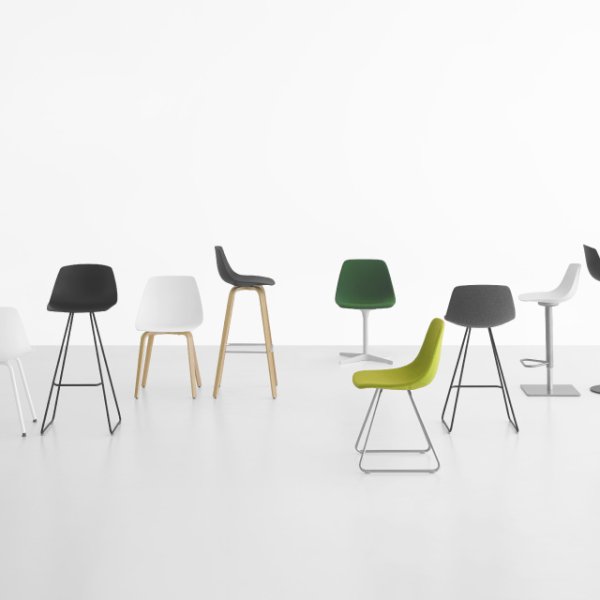
Twenty-six years later the drawing has not been restyled — what has been added are finishes: three galvanic colors in brushed black, blue and green, alongside curved plywood, eight lacquers, Fenix laminate, leather and fabric, plus a stainless steel version for outdoors; the Miunn stools and chairs sit beside it in the same catalogue. La Mercanti specifies LEM for US projects with samples in hand and the finish schedule agreed before anything ships.

Technical information based on data declared by the manufacturer.

Collection: LEM
Manufacturer: Lapalma (Italy)
Design: Shin & Tomoko Azumi, 2000
S79: swivel, adjustable 21.7-26.4 in, chromed or painted gas pump; felt inserts under the base
S80: as S79, adjustable 26-31.1 in
S81: swivel, fixed height 31.5 in; return mechanism available
S83: swivel, adjustable 26-31.1 in, self-aligning in rotation and height; floor-fixing base of 7.9 in diameter available
ES81 outdoor: swivel, fixed 31.5 in; frame, base and column in shot-peened Aisi 316L stainless or polyester powder-coated; seat in curved plywood with iroko finish or integral polyurethane; rubber inserts under the base
Frame and base: satin chrome or powder-coated; base in Aisi 304 with linen-cloth finish or powder-coated
Seat finishes: curved plywood in bleached oak, open-pore black, dark walnut oak; 8 lacquers; Fenix laminate; 7 leathers; 17 soft-leathers; Valencia eco-leather; wide fabric range
New finishes: capsule collection in three galvanic finishes, brushed black, blue and green
Tests: S81 and ES81, EN 1728:2000 6.2.1-6.2.2 and EN 15373:2007 level L3 severe; all versions DIN 68 877/81 5.6; adjustable versions also test 1 IM Valencia
Care: damp cloth or diluted neutral detergent, never alcohol, bleach, solvents or abrasives; lift the stool by the structure, not the seat; do not stand on the footrest; no chlorides on the metal; iroko darkens with light and takes an annual oiling; stainless near sea or pool needs more frequent cleaning
Not declared by the manufacturer: dimensions beyond seat heights, weights, load ratings

La Mercanti USA Llc — your partner for Italian design and contract supply.
Los Angeles, CA, USA · +1 855 335 8079 · info@lamercanti.us
Supply, quotes, specifications and project support across the United States and North America.

Let us know which finishes you'd like to explore

$ 180

Credited in full toward your purchase

FAQ

Is the name really a reference to the Apollo lander?
Yes. Lapalma named the stool after the Lunar Excursion Module and describes the design in those terms: every function packed into a minimal profile, with nothing carried that was not needed. It is a description of the drawing, not a marketing line stuck on afterwards.
What does that look like on an actual stool?
One continuous line from base to seat, with nothing added to conceal how the parts meet. No apron, no bracket, no cover plate. It is why the stool reads as light in a room without hiding anything — there is very little to hide.
Has the design changed since 2000?
The drawing has not. What has grown is the range of finishes, most recently a capsule collection in three galvanic colors: brushed black, blue and green. For a project that gets extended in phases, that distinction matters more than any style argument.
Where does it belong in a US workplace?
Wherever a counter needs seating that does not build a wall: a cafe bar, a kitchen island, a touchdown counter. The covering is what adapts to the room — Fenix or lacquer near drinks, leather in client-facing areas, wood where the space is quiet.
What should facilities know on day one?
Lift it by the structure, never by the seat. That one line decides how the stool holds up after a few thousand moves. Clean with a damp cloth or diluted neutral detergent, and keep anything with chlorides off the metal.

Specifying a stool that has to look considered, not improvised

Five steps for a break area people photograph without being asked.

Decide what the stool should not do
Not block the view, not build a wall, not date the room. Subtraction narrows the field faster than any list of features.
Pick the covering by zone, not by mood board
Fenix or lacquer where drinks land, leather where clients sit, wood where the room is quiet. The silhouette is identical across all three.
Fix the frame finish once for the whole floor
Satin chrome, a powder color, or one of the three galvanic finishes. A constant frame is what makes varied seats look intentional.
Separate indoor from outdoor codes
The outdoor version uses stainless steel and its own seat materials at the same profile. Split it in the schedule, not in a footnote.
Write the finish schedule into the order
Wood species or lacquer number, laminate, leather or fabric by name, frame color. Without it, a second phase in two years will never match the first.

You May Also Like